Abstract
Cellule di carico are precision sensors that measure force or weight by converting mechanical force into an electrical signal.
According to technical references and standards from organisations such as the International Organisation for Standardization, as well as research aligned with the National Institute of Standards and Technology, modern load cells — especially those based on strain gauges — operate by detecting deformation in an elastic element and translating that deformation into measurable changes in electrical resistance. These signals are then processed to determine accurate force or mass values.
Introduction: Why Load Cells Are Critical in Modern Industry?
In today’s highly automated and data-driven industrial landscape, accurate measurements are crucial for ensuring efficiency, quality control, and safety. Load cells play a central role in this ecosystem, enabling precise measurement of force and weight across a wide range of industries.
They are embedded in countless applications where precision and reliability are non-negotiable, from manufacturing plants and logistics systems to medical devices and aerospace testing.
Without load cells, industries would face challenges such as:
- Inaccurate weight measurements
- Inconsistent product quality
- Inefficient material handling
- Safety risks in load monitoring systems
What Are Load Cells?
A load cell is a transducer that converts mechanical force, such as tension, compression, pressure, or weight, into an electrical signal that can be measured and analysed.
Core definition: load cells are devices that measure force by converting physical deformation into electrical output signals.
They are widely used in:
- Weighing scales
- Industrial batching systems
- Material testing machines
- Structural load monitoring
- Automated production lines
How Do Load Cells Work?
The working principle of load cells varies depending on the type, but the most common is the strain gauge load cell.
Step-by-step working principle:
- Force application
A load or force is applied to the load cell.
- Elastic deformation
The internal metal structure (usually aluminium or steel) deforms slightly under the applied force.
- Strain gauge response
The strain gauges attached to the structure stretch or compress, changing their electrical resistance.
- Wheatstone bridge circuit
These resistance changes are measured using a Wheatstone bridge circuit, producing a voltage signal.
- Signal output
The signal is amplified and converted into a readable value representing force or weight.
Tipi di celle di carico
Load cells are categorised according to their sensing technology and structural design.
- Strain gauge load cells: the most widely used type.
Caratteristiche:
- High accuracy
- Cost-effective
- Suitable for most industrial applications
- Hydraulic load cells use fluid pressure to measure force.
Advantages:
- Suitable for hazardous environments
- No electrical components
- Pneumatic load cells use air pressure for measurement.
Advantages:
- Intrinsically safe
- Good for clean environments
- Capacitive load cells measure changes in capacitance.
Advantages:
- High sensitivity
- Suitable for small force measurements
Load Cell Types Comparison
| Type | Accuratezza | Costo | Best Use Case | Limitations |
| Strain Gauge | Very High | Medium | Industrial weighing | Sensitive to temperature |
| Hydraulic | Medium | Alto | Harsh environments | Complex design |
| Pneumatic | Medium | Medium | Clean environments | Lower precision |
| Capacitive | Alto | Alto | Small force measurement | Limited industrial use |
Common Load Cell Configurations
Load cells are available in a variety of structural configurations, each of which is designed to suit a specific measurement environment and force type. It is essential to select the right configuration for accuracy and reliability.
- Compression load cells
Designed to measure compressive forces
Commonly found in:
- Industrial scales
- Tank and silo weighing
- Known for high stability and load capacity
- Tension (S-Type) Load Cells
Designed to measure tensile forces
Common in:
- Industrial scales
- Tank and silo weighing
- Known for high stability and load capacity, Tension (S-type) load cells
- Measure pulling or hanging forces
Widely used in:
- Crane scales
- Hanging systems
- Material testing equipment
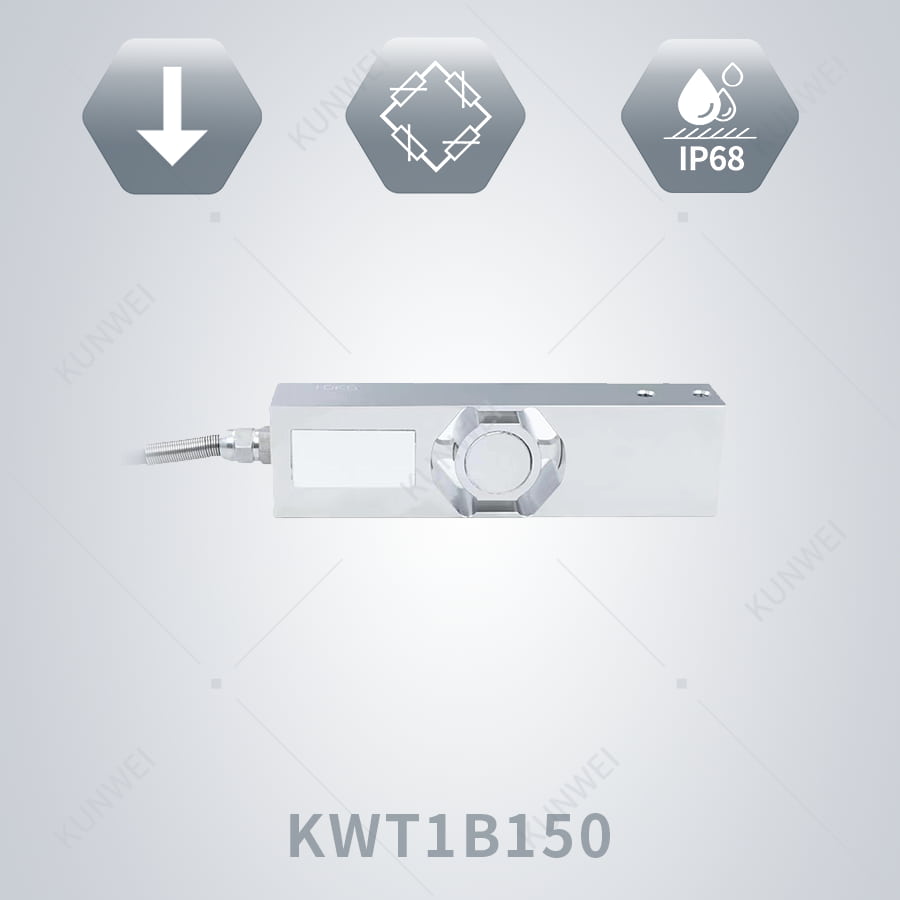
- Shear beam load cells
Measure force through shear deformation
Common in:
- Bilance a piattaforma
- Industrial weighing systems
Known for: durability and cost-effectiveness
- Bending beam load cells
Detect force through beam deflection. Ideal for:
- Low-to-medium capacity applications
- Compact weighing systems
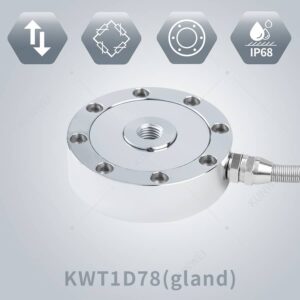
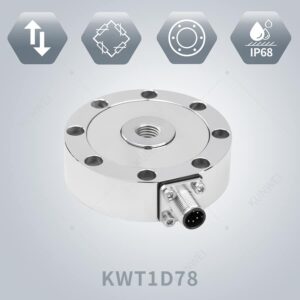
- Pancake (donut) load cells
Designed for high-capacity and multi-directional force measurement
Used in: Pancake (donut) load cells
Designed for high-capacity, multi-directional force measurement
Used in:
- Press systems
- Structural testing
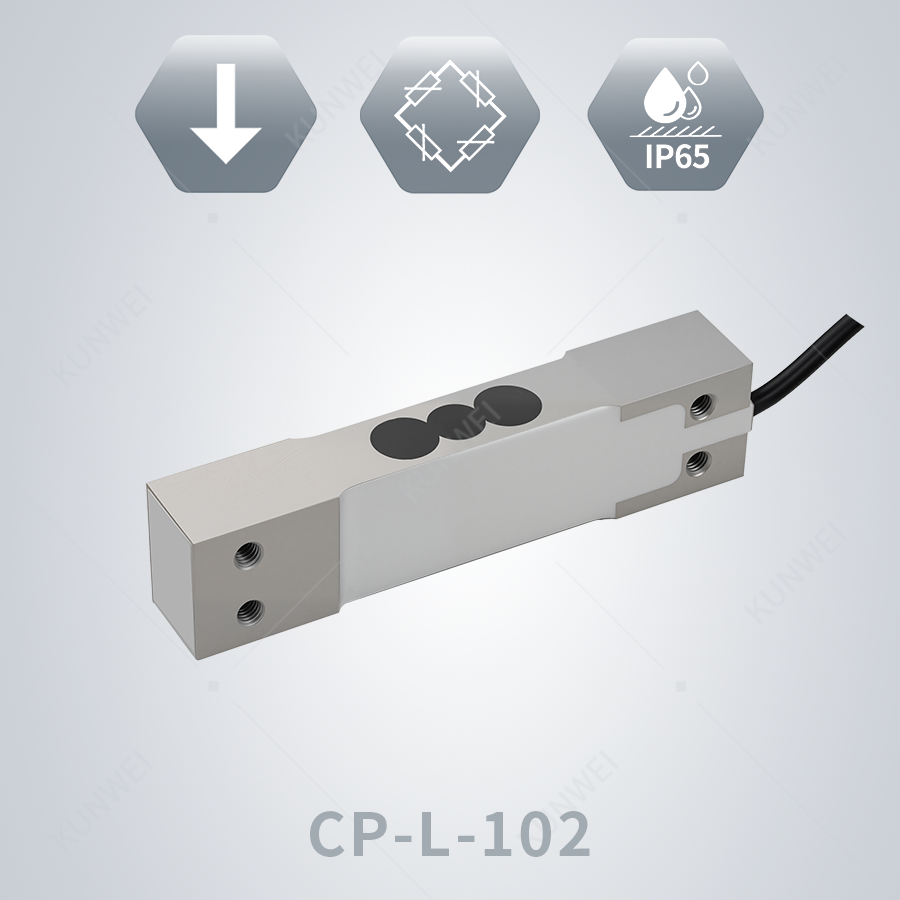
- Single-point load cells
Suitable for small platform scales, offering high accuracy even with off-centre loading.
Key Components of a Load Cell
A load cell is a precision sensor comprising mechanical and electrical components that convert force into measurable electrical signals.
- Elastic element (spring body)
The main structure that deforms under load determining the measurement range and sensitivity.
- Strain gauges
Convert mechanical deformation into electrical resistance changes. Typically arranged in a Wheatstone bridge configuration.
- Wheatstone bridge circuit
Converts resistance changes into measurable voltage signals and ensures high accuracy and stability.
- Protective housing
Shields internal components from moisture, dust, and mechanical damage.
- Electrical cables and connectors
- Transmit signal output to control or display systems
- Shielded to reduce electromagnetic interference
- Adhesives and sealing materials
Secure the strain gauges to the elastic element and ensure long-term stability and durability.
Advantages of Load Cells
Due to their precision, reliability, and versatility, load cells are widely used in industrial and commercial applications.
- High accuracy and precision
- Capable of detecting very small force changes
- Suitable for critical measurement applications
- Wide range of applications
Used in industries such as:
- Manufacturing
- Logistics
- Automotive
- Aerospace
- Food processing
- Strong environmental adaptability
- Available in waterproof, dustproof, and high-temperature versions
- Suitable for harsh industrial environments
- Easy integration with digital systems
- Compatible with PLCs, indicators, and IoT systems
- Supports real-time data monitoring
- Long service life and stability
- Solid-state structure reduces mechanical wear
- Maintains accuracy over long-term use
- Cost-effective measurement solution
Offers high performance at a relatively low cost compared to other force measurement systems
Applications of Load Cells
Load cells are precision force-measurement sensors that are widely used across industries to convert mechanical force into measurable electrical signals. Thanks to their high level of accuracy, reliability, and adaptability, they are an essential component of modern industrial automation and quality control systems.
- Industrial weighing systems
Load cells are most commonly used in industrial weighing applications, where accuracy and stability are critical.
Typical applications include:
- Platform scales and floor scales
- Tank and silo weighing systems
- Hopper and batching systems
- Conveyor belt weighing systems
They ensure precise measurement of materials in production and logistics processes.
- Manufacturing and process control
In manufacturing environments, load cells are used to monitor and control force-related processes.
Examples include:
- Material batching and mixing systems
- Pressing and forming machines
- Injection moulding force monitoring
- Extrusion line tension control
They help to maintain consistent product quality and process stability.
- Automotive industry
Load cells play an important role in vehicle testing and assembly processes.
Applications include:
- Brake force testing
- Crash test analysis
- Engine component testing
- Assembly line force measurement
They ensure safety, performance, and compliance with engineering standards.
- Aerospace and defence
In high-precision environments, load cells are used for structural and mechanical testing.
Applications include:
- Aircraft component load testing
- Structural stress analysis
- Thrust measurement systems
- Material fatigue testing
Accuracy and reliability are critical in this sector.
- Construction and civil engineering
Load cells are used to monitor structural loads and ensure safety in large-scale infrastructure projects.
Examples include:
- Bridge load monitoring systems
- Crane and lifting equipment safety systems
- Structural health monitoring
- Foundation load testing
They help to prevent overload and structural failure.
- Food and beverage industry
Load cells are widely used in automated and hygienic production environments.
Applications include:
- Ingredient batching systems
- Packaging weight control
- Filling machines for liquids, powders, and granules
- Quality inspection systems
They ensure consistent product weight and regulatory compliance.
- Logistics and warehousing
In logistics operations, load cells improve the efficiency and accuracy with which goods are handled.
Applications include:
- Parcel weighing systems
- Freight and cargo measurement
- Automated sorting systems
- Warehouse inventory control
They support accurate billing and optimised logistics management.
- Medical and Laboratory Equipment
Load cells are used in sensitive environments that require high precision.
Applications include:
- Patient weighing scales
- Laboratory analytical balances
- Medical dosing systems
- Biomechanical testing equipment
They ensure accuracy in critical health-related measurements.
- Agriculture and animal husbandry
Load cells are also used in modern agricultural systems.
Applications include:
- Livestock weighing systems
- Feed batching systems
- Grain storage monitoring
- Agricultural machinery load control
- Robotics and automation
In advanced automation systems, load cells provide feedback for force control.
Applications include:
- Robotic gripping force control
- Automated assembly systems
- Force-sensitive industrial robots
- Human–robot interaction systems
They enable precision and adaptive control in smart manufacturing.
Load Cell Selection Guide
Key Factors
| Fattore | Consideration |
| Capacity | Maximum load requirement |
| Accuratezza | Precision needed |
| Environment | Temperature, humidity, chemicals |
| Mounting | Installation configuration |
| Output Signal | Analog vs digital |
Industry Insight: Modern Load Cell Manufacturing
Manufacturers such as Kunwei Sensing focus on:
- High-precision strain gauge technology
- Advanced calibration techniques
- Robust environmental protection
- Integration with smart monitoring systems
Modern load cells are increasingly designed for IoT-enabled systems, enabling real-time data collection and predictive maintenance.
Emerging Trends in Load Cells (2026)
- Smart Load Cells
Integrated with digital communication and data analytics.
- Wireless Load Monitoring
Eliminates complex wiring systems.
- Miniaturization
Smaller sensors for compact devices.
- Enhanced Durability
Improved resistance to harsh environments.
FAQ: Load Cells
Q1: What are load cells used for?
Load cells are used to measure force or weight in industrial, commercial, and scientific applications.
Q2: How accurate are load cells?
High-quality load cells can achieve accuracy within 0.03% or better.
Q3: What is the most common type of load cell?
Strain gauge load cells are the most widely used due to their accuracy and versatility.
Q4: Do load cells require calibration?
Yes, regular calibration is necessary to maintain accuracy.
Q5: Can load cells measure tension and compression?
Yes, depending on their design, load cells can measure both types of force.
Conclusione
Load cells are essential devices that enable the precise measurement of force and weight across countless industries. They convert mechanical force into electrical signals, providing the accuracy and reliability required for modern industrial processes.
From strain gauge technology to advanced smart sensors, load cells are constantly evolving to offer greater precision, integration, and efficiency. Leading manufacturers such as Kunwei Sensing are at the forefront of this innovation, providing solutions that meet the increasing demands of automated and data-driven industries.

.jpg)
.jpg)