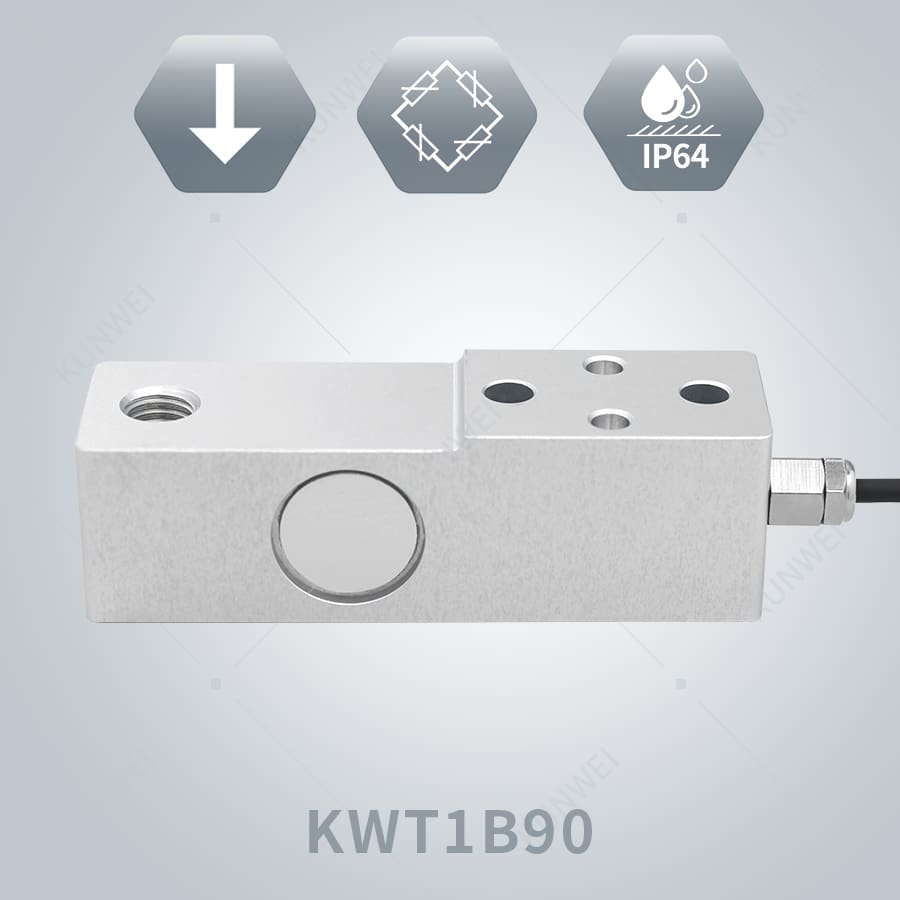
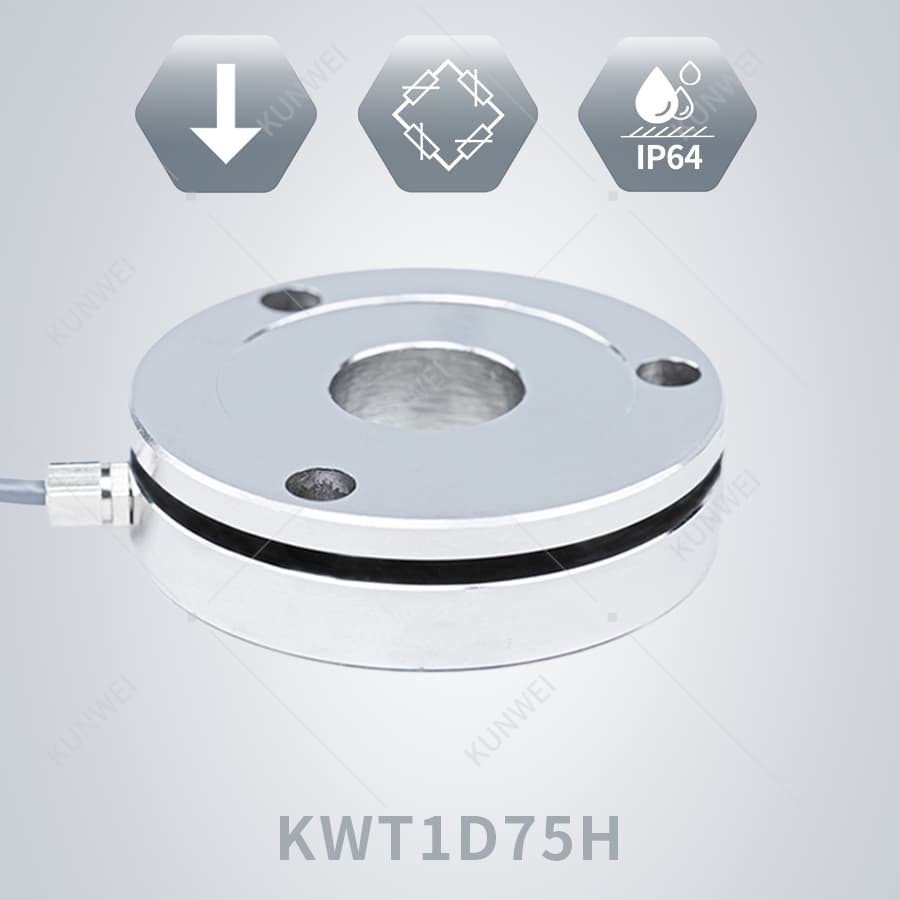
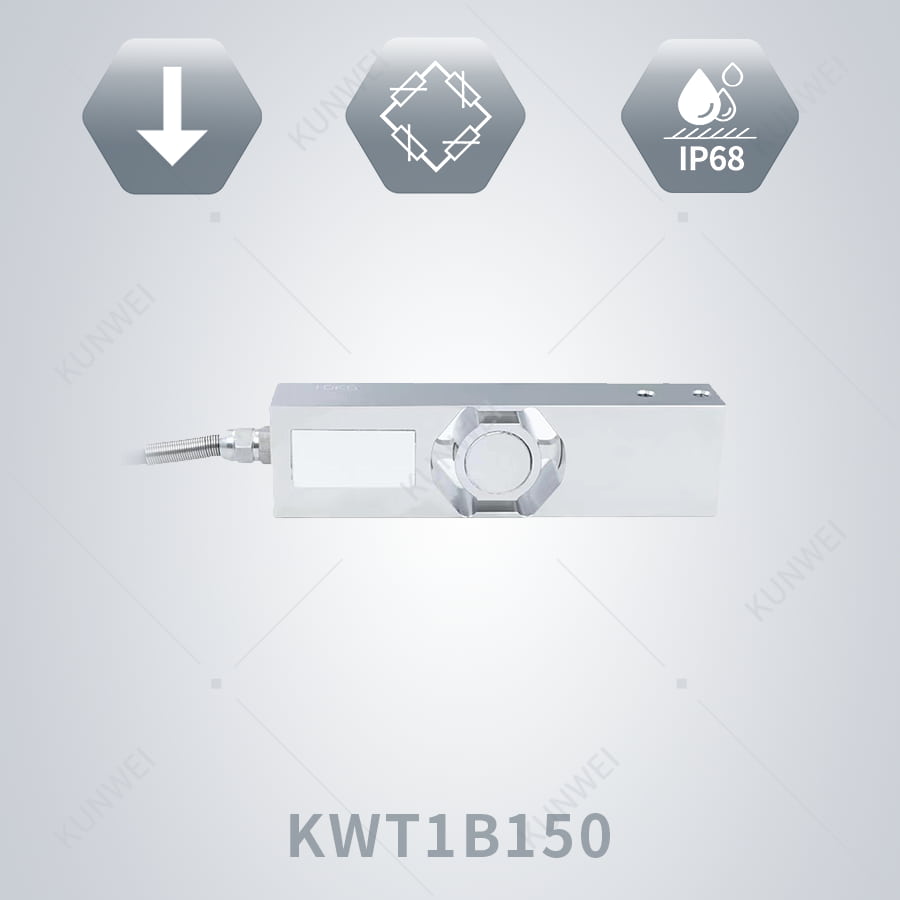
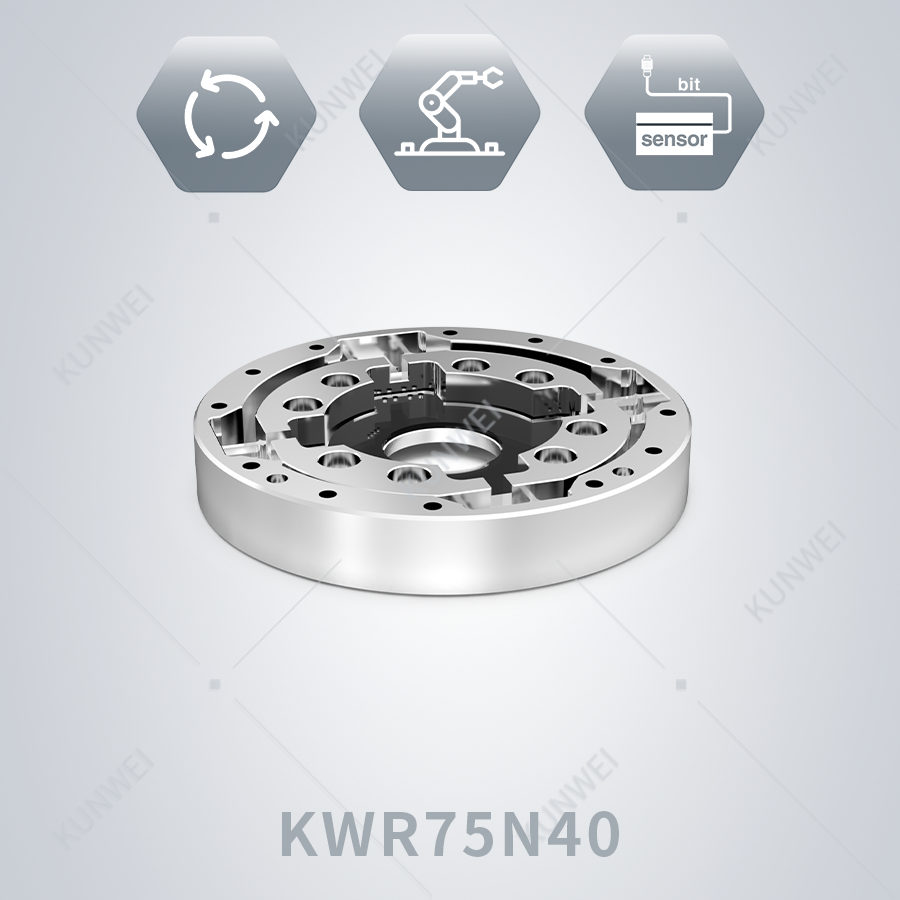
As robotics, intelligent manufacturing, medical automation, and precision assembly continue to advance, machines need more than accurate motion control. They increasingly need the ability to sense, measure, and respond to physical forces.
This is where force and torque sensing technology becomes critical.
From collaborative robots performing delicate assembly to industrial systems monitoring grinding pressure, force sensors provide the feedback required for machines to interact with their environment more precisely.
Kunwei specializes in advanced force-sensing and force-control technologies for robotics, automation, testing, medical equipment, research, and other precision applications. Its current product portfolio includes multi-axis force torque sensors, robot torque sensors, load cells, force plates, high-precision electric cylinders, pneumatic force-control devices, and supporting instruments.
Learn more about Kunwei:
Why Force Sensing Is Becoming More Important in Robotics
Traditional industrial robots are exceptionally good at following programmed positions.
However, position control alone does not tell the robot how strongly it is touching, pushing, pulling, twisting, or pressing an object.
For applications involving physical interaction, force feedback becomes another important source of information.
A force sensing system can help equipment detect:
- Contact force
- Torque
- Load variation
- Assembly resistance
- Process pressure
- Interaction between robot and object
This becomes particularly valuable when manufacturing moves from rigid automation toward more adaptive and flexible robotic processes.
1. Six-Axis Force Torque Sensors
A six-axis force torque sensor measures forces and moments across multiple directions.
Typically, the system evaluates:
Fx, Fy, Fz
und
Mx, My, Mz
This enables equipment to understand not only how much force is being applied but also its direction and associated torque.
Kunwei positions multi-axis force torque sensing as one of its core product and technology areas. Its technical platform includes six-axis joint calibration and high-precision crosstalk decoupling technologies.
Where Six-Axis Force Sensors Can Be Used
Potential applications include:
- Kollaborative Roboter
- Precision assembly
- Grinding
- Polishing
- Industrial testing
- Research equipment
- Medical robotics
- Force-controlled automation
For example, Kunwei’s KWR36 micro six-axis sensor has a published diameter of 36 mm and height of 20 mm, illustrating how force sensing can be integrated into compact robotic applications.
2. Robot Torque Sensors
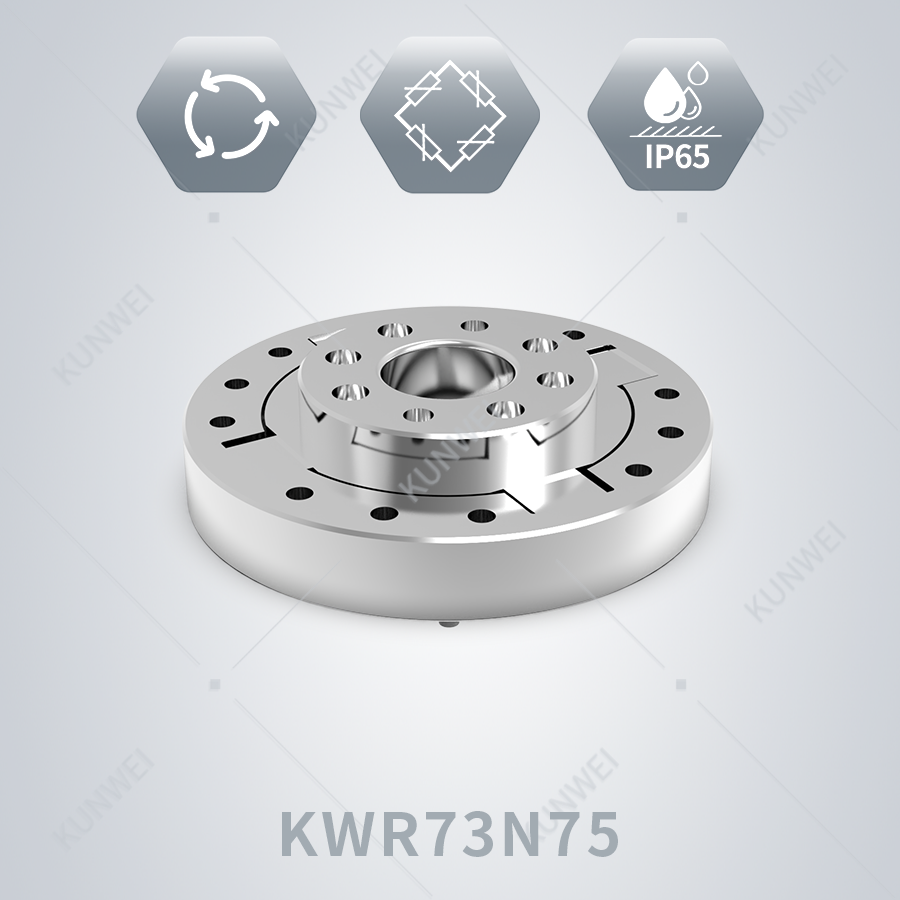
Robot joints require accurate torque information when engineers want better control over interaction forces and mechanical loads.
Kunwei currently supplies robot torque sensor models for applications including collaborative and humanoid robots. Its product range includes multiple static torque sensor configurations with digital communication options such as RS485.
Robot torque sensors can contribute to:
- Motion control
- Force control
- Joint monitoring
- Safety
- Assembly automation
- Robotic testing
If X → Choose Y
If you need multidirectional force and torque measurement
→ evaluate a multi-axis force torque sensor.
If you primarily need joint torque measurement
→ evaluate a robot torque sensor.
If you need weight or single-direction force measurement
→ evaluate an appropriate load cell.
The sensor architecture should follow the measurement problem—not the other way around.
3. Load Cells for Industrial Measurement
Not every application needs six-axis measurement.
For many weighing and industrial force-measurement applications, load cells remain an efficient solution.
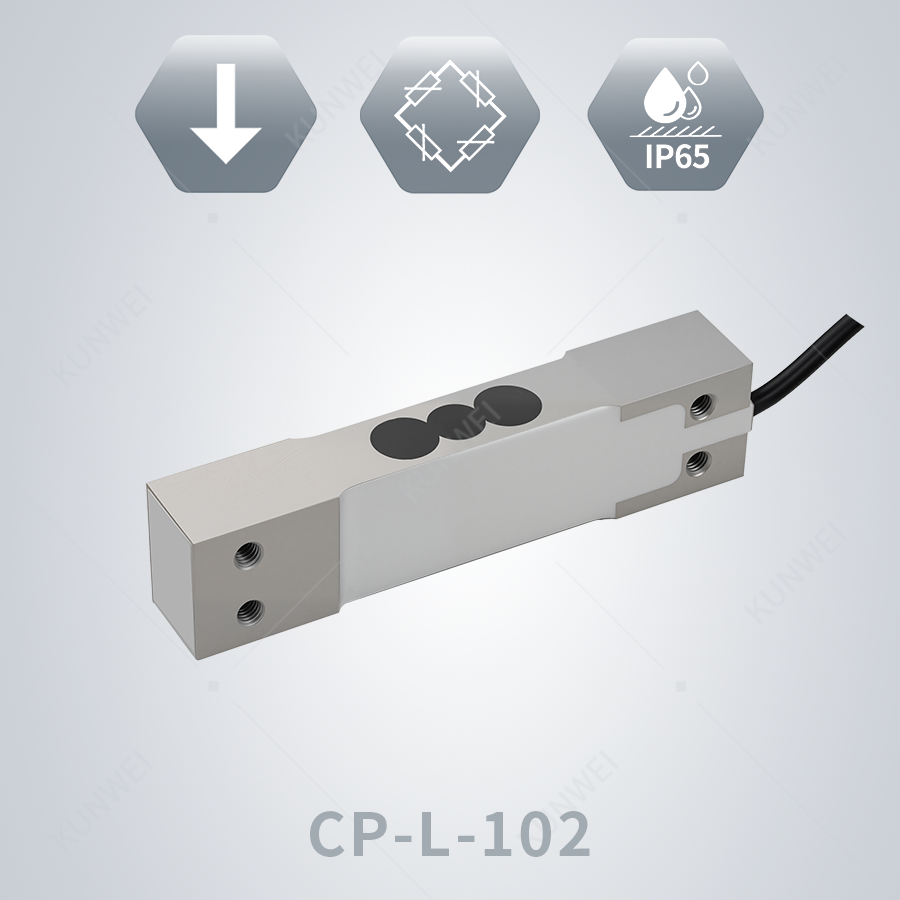
Kunwei’s current portfolio includes products such as:
- Parallel beam load cells
- Cantilever beam sensors
- Bridge-type load cells
- Digital load cells
These may be suitable for applications such as:
- Plattformwaagen
- Industrial weighing
- Tanks
- Production equipment
- Force monitoring
- Process measurement
Buyer Decision
Simple force/weight measurement
→ consider load cells.
Robot joint torque
→ consider torque sensors.
Complex 3D force interaction
→ consider multi-axis force torque sensors.
4. Force Plates for Biomechanics and Research
Force measurement is not limited to industrial robots.
Force plates are commonly used where researchers need to analyze physical interaction between a person and the ground.
Kunwei’s product portfolio includes portable double three-axis force plate solutions for biomechanics, movement analysis, and sports-related measurement applications.
Potential applications can include:
- Gait analysis
- Rehabilitation research
- Sports science
- Human movement studies
- Biomechanical experiments
For these applications, measurement quality can directly affect the quality of subsequent analysis.
5. Precision Assembly
Precision assembly is one of the clearest examples of why robots need force feedback.
Imagine a robot inserting a delicate component.
Position data may indicate that the component is correctly aligned, but unexpected resistance could still mean:
- Misalignment
- Obstruction
- Incorrect orientation
- Excessive insertion force
Force feedback provides another layer of process information.
Kunwei lists precision assembly among the application scenarios for its force-sensing technologies.
Practical Logic
If the process depends mainly on position
→ position control may be sufficient.
If the process depends on controlled physical contact
→ force feedback becomes more important.
6. Robotic Grinding and Polishing
Grinding and polishing involve continuous contact between a tool and a surface.
Too little pressure can reduce process effectiveness.
Too much pressure can potentially:
- Damage the surface
- Increase tool wear
- Reduce consistency
Force sensing can provide feedback that helps a control system manage contact forces.
Kunwei identifies curved-surface grinding as one of its current application categories and also references grinding and precision polishing among applications for multi-axis force sensors.
7. Collision Detection and Robot Safety
As robots increasingly operate near people, equipment, and variable workpieces, detecting unexpected contact becomes increasingly important.
Force and torque information can help robotic systems identify abnormal mechanical interaction.
Kunwei includes collision detection among its published application categories.
Force sensing does not replace a complete machine-safety architecture, but it can become an important source of feedback within an appropriately designed robotic system.
8. Medical and Rehabilitation Robotics
Medical robotics can involve particularly demanding force-control requirements.
Depending on the application, excessive or poorly controlled force may be unacceptable.
Kunwei identifies medical equipment, surgical robotics, and rehabilitation-related applications among the markets served by its force-sensing technologies.
For these applications, buyers may need to evaluate:
- Measurement range
- Genauigkeit
- Repeatability
- Mechanical dimensions
- Signal output
- Integration
- Kalibrierung
- Application-specific requirements
9. Humanoid Robots
Humanoid robotics is one of the most rapidly developing areas for force sensing.
A humanoid robot may need force information at:
- Joints
- Wrists
- Feet
- Manipulators
- End effectors
Kunwei currently lists torque sensor models specifically positioned for humanoid robot applications, and in March 2026 the company presented advanced force-sensing solutions at China’s Embodied Intelligence and Humanoid Robot Industry Conference.
As humanoid robots move from demonstration toward practical tasks, physical interaction sensing is likely to remain an important engineering consideration.
10. Signal Acquisition and Integration
A sensor alone is not always a complete measurement solution.
Signals need to be:
Measured → Acquired → Processed → Interpreted → Used by the Control System
Kunwei also supplies signal acquisition and amplification products, including USB acquisition modules, analog amplifiers, and digital modules supporting interfaces such as RS422, RS485, and CAN.
This matters because buyers should consider the entire sensing chain rather than selecting the mechanical sensor independently from the control architecture.
Core Force-Sensing Technologies
Kunwei’s published technology platform highlights four areas:
Multi-Axis Force Torque Sensor Structure Optimization
Mechanical structure affects sensitivity, stiffness, range, and measurement behavior.
Six-Axis Joint Calibration
Multi-axis sensors require accurate calibration across measurement channels.
High-Precision Crosstalk Decoupling Algorithm
When one axis is loaded, unwanted influence on other channels needs to be controlled and mathematically compensated.
Smart Embedded Digital Acquisition
Signal acquisition and processing are critical to converting physical deformation into usable measurement information.
Kunwei states that it holds independent intellectual property related to its force-measurement technologies and lists multiple related patents.
Why Engineering Experience Matters
Kunwei’s founding technical team came from a national aerospace research institute and has more than 15 years of multi-axis force sensor development and application experience, according to its company profile. The broader website currently presents the company as having more than 20 years of development and application experience.
This kind of experience matters because force sensing is rarely a simple catalog-selection exercise.
Projects may require support with:
- Sensor customization
- Structural integration
- Sensing integration
- Data acquisition
- Field testing
- Kalibrierung
- Application engineering
Kunwei states that its engineering experience allows it to provide complete solutions covering these areas.
More Than 100 Product Models
Force-measurement applications vary dramatically.
A compact robot wrist and a heavy industrial test system should not use the same sensor simply because both require force measurement.
Kunwei’s website currently reports more than 100 product models across its force sensing and control portfolio.
A broad range allows engineers to compare different:
- Dimensions
- Measurement ranges
- Structures
- Output methods
- Mounting configurations
- Application requirements
More Than 500 Cooperative Partners
Kunwei’s website reports more than 500 cooperative partners, covering areas including robotics, automation integration, medical and surgical robotics, universities, research institutes, and industrial enterprises.
For B2B buyers, existing application experience can be useful because real-world force measurement often involves challenges that cannot be fully understood from specifications alone.
Standards and Technical Development
Kunwei states that it was the principal drafter of the Chinese national recommended standard GB/T 43199-2023, reflecting its participation in the technical development of the robotics force-sensing field.
The company also continues to publish technical material around load cells, robot joint torque sensing, multi-axis force torque sensors, installation, and sensor selection.
What Buyers Should Define Before Selecting a Force Sensor
Do not begin with:
“Please quote a six-axis sensor.”
A professional inquiry should define the engineering problem.
1. Measurement Axes
Do you need:
- One-axis force?
- Torque?
- Three-axis force?
- Six-axis force and torque?
2. Measurement Range
What maximum forces and moments will occur?
3. Accuracy
What measurement accuracy does the process actually require?
4. Mechanical Size
What installation space is available?
5. Interface
What does the controller accept?
Possible requirements may include:
- Analog
- RS485
- CAN
- Other digital interfaces
6. Environment
Consider:
- Temperature
- Vibration
- Mechanical shock
- Industrial contamination
- Dynamic loads
7. Application
The same sensor may behave very differently in:
- Assembly
- Grinding
- Research
- Robotics
- Medical equipment
- Testing
Common Force Sensor Procurement Mistakes
Mistake 1: Selecting by Maximum Load Only
Measurement range is important, but it is not the only parameter.
Consequence
The sensor may fit the load but fail to deliver the required resolution, accuracy, or mechanical integration.
Mistake 2: Ignoring Overload Conditions
Real machines may experience forces beyond normal operating conditions.
Consequence
Unexpected impact can damage the sensing system.
Mistake 3: Ignoring Sensor Dimensions
A technically suitable sensor may simply not fit.
Consequence
The mechanical system may require redesign.
Mistake 4: Choosing the Interface Too Late
The sensor and control system must communicate correctly.
Consequence
Additional signal-conditioning hardware or redesign may be required.
Mistake 5: Treating Calibration as an Afterthought
Multi-axis force measurement depends heavily on calibration and decoupling.
Consequence
Raw measurements may not provide the precision expected by the application.
Mistake 6: Selecting Only by Price
Two force sensors that appear similar may differ substantially in:
- Kalibrierung
- Genauigkeit
- Crosstalk
- Structure
- Electronics
- Integration support
The cheapest sensor is not necessarily the lowest-cost engineering solution.
Quick Sensor Selection Logic
If you need basic force or weighing measurement
→ evaluate a load cell.
If you need robot joint torque feedback
→ evaluate a robot torque sensor.
If you need forces in several directions
→ evaluate a multi-axis force sensor.
If you need complete Fx/Fy/Fz + Mx/My/Mz measurement
→ evaluate a six-axis force torque sensor.
If installation space is extremely limited
→ evaluate compact or micro force torque sensors.
If the application involves force-controlled robotics
→ evaluate the sensor, signal acquisition, mechanical structure, and control system together.
About Kunwei
Changzhou Kunwei Sensing Technology Co., Ltd. is a high-tech enterprise focused on force sensing technology and high-accuracy force-measurement solutions.
Its published application areas include robotics, precision automation, process monitoring, medical applications, biomechanics, scientific research, and industrial testing.
Learn more:
https://www.czkunweitech.com/about-us/
Contact Kunwei
For six-axis force torque sensors, robot torque sensors, load cells, force plates, signal acquisition systems, or application-specific force measurement requirements:
https://www.czkunweitech.com/contact-us/
When sending an inquiry, provide:
- Anwendung
- Required force range
- Required torque range
- Number of measurement axes
- Accuracy requirement
- Installation dimensions
- Output/interface
- Quantity
- Operating environment
This allows the engineering team to evaluate the application rather than simply recommending a product based on a generic model number.
Micro Summary
Kunwei develops force sensing and force-control solutions for robotics, industrial automation, medical equipment, testing, biomechanics, and research. Its current portfolio includes multi-axis force torque sensors, robot torque sensors, load cells, force plates, electric cylinders, pneumatic force-control devices, and signal acquisition equipment. The company reports 20+ years of development and application experience, 100+ product models, 500+ cooperative partners, and 20+ patents.
For buyers, the correct sensor should be selected according to measurement axes + range + accuracy + mechanical size + interface + environment + application, rather than price or maximum load alone.
Recommendation
If your project only needs basic weighing or single-axis measurement
→ start with an appropriate load cell.
If you need robot joint feedback
→ evaluate torque sensors.
If your robot must understand multidirectional physical interaction
→ evaluate multi-axis or six-axis force torque sensing.
If the project involves precision assembly, grinding, medical robotics, humanoid robots, or complex automation
→ involve the force-sensor supplier early in the mechanical and control-system design.
Visit Kunwei:
About Kunwei:
https://www.czkunweitech.com/about-us/
Contact Kunwei: