Abstract
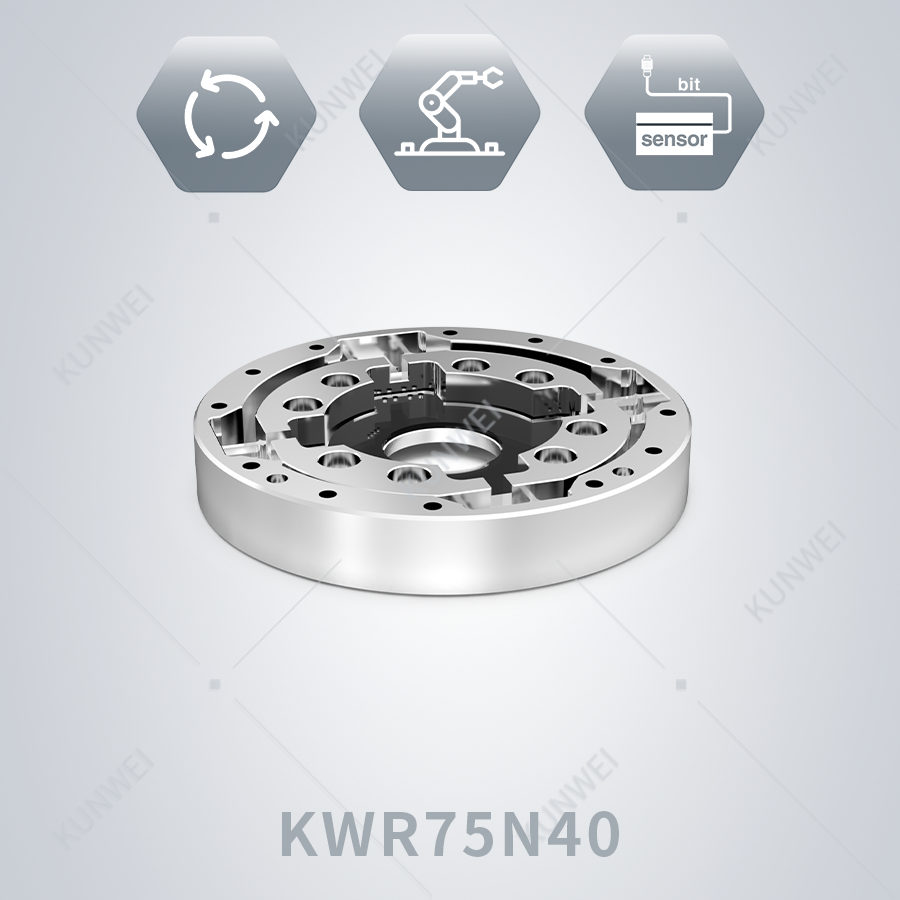
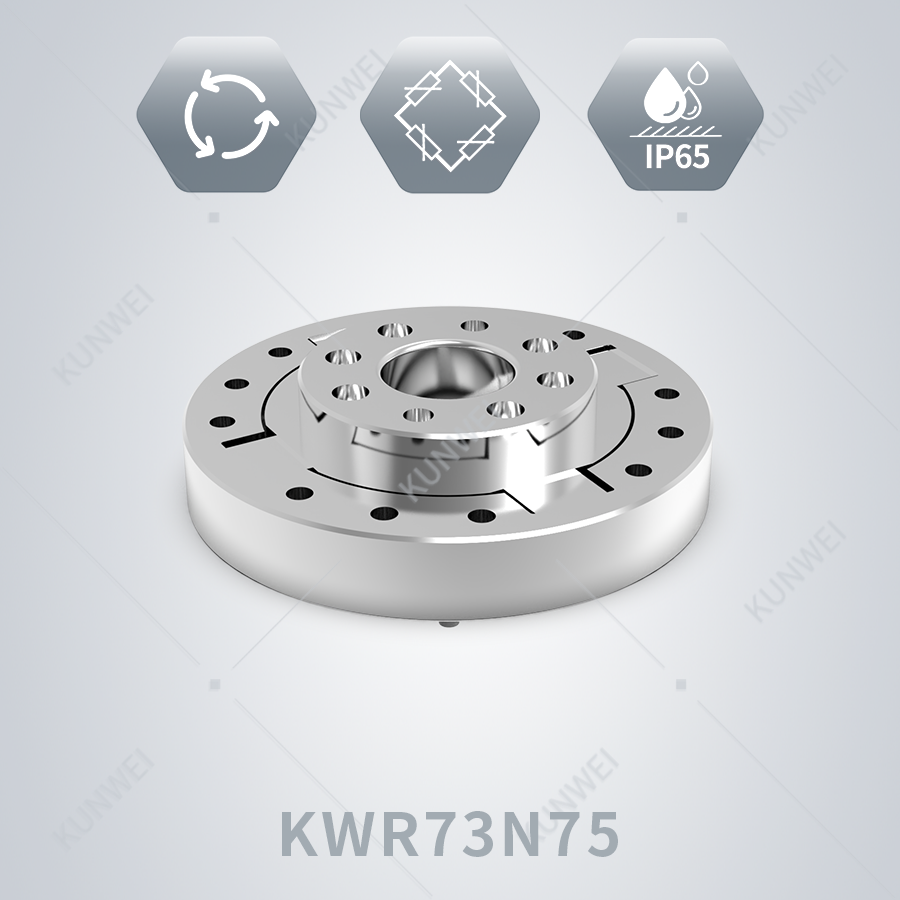
A Mehrachsiger Kraft-Drehmoment-Sensor measures forces and torques acting on an object. It can measure forces and torques in multiple directions (typically X, Y, Z axes and rotational moments).
It can detect complex movements of mechanical parts very accurately and in real time. This makes it very important for robotics, automation, aerospace, and advanced manufacturing. In all these fields, it is very important to be able to feel and control forces accurately.
Introduction: Why Multi-Axis Force Torque Sensors Matter in Modern Engineering?
In the modern age of smart manufacturing and robotics, it’s essential to measure not just force, but also how force acts in different directions at the same time. A Multi-Axis Force Torque Sensor is better than traditional single-axis measurement devices because it can capture a full picture of how things interact in 3D space.
These sensors are used more and more in industries that need precision, adaptability, and safety. Robotic arms can now assemble delicate electronics, and surgical robots can perform complex procedures. The sensor acts as a “sense of touch”, enabling machines to respond intelligently to external forces.
Conventional sensors only measure force in one direction, but multi-axis sensors capture six degrees of freedom (6-DoF): three linear forces (Fx, Fy, Fz) and three torques (Mx, My, Mz). This feature gives users more control and efficiency in complex systems.
What Is a Multi-Axis Force Torque Sensor?
A Multi-Axis Force Torque Sensor is a precision measurement device. It can detect forces and torques applied along multiple axes at the same time. These sensors usually work in 3-axis or 6-axis setups, which help us understand how machines work.
Core Measurement Dimensions
| Measurement Type | Beschreibung | Axis Representation |
| Linear Force | Measures push/pull forces | Fx, Fy, Fz |
| Torque (Moment) | Measures rotational force | Mx, My, Mz |
| Degrees of Freedom | Total measurable parameters | Up to 6 DoF |
These sensors rely on advanced technologies such as strain gauges, piezoelectric elements, or MEMS structures to convert mechanical deformation into electrical signals.
How Does a Multi-Axis Force Torque Sensor Work?
The sensor works by detecting changes to the material caused by forces that are applied to it. When force or torque is applied, the sensor structure experiences very slight pressure. This strain is measured by special sensors and turned into electrical signals.
Working Principle Breakdown
- Mechanical Deformation
Outside forces can slightly bend the sensor body.
- Signal Detection
A strain gauge is a device that can detect changes in shape. Piezoelectric elements are another way of detecting changes in shape.
- Signal Conversion
The deformation is translated into electrical signals. The strength of these signals is proportional to the force.
- Matrix Calibration
A calibration matrix separates combined signals into individual components along each axis.
- How the Sensor Works
The sensor shows the exact amount of force and torque (turning power) at any moment.
Example of Sensor Output
| Axis | Measured Value | Unit |
| Fx | 12.5 | N |
| Fy | -8.2 | N |
| Fz | 25.0 | N |
| Mx | 1.2 | Nm |
| My | -0.9 | Nm |
| Mz | 0.5 | Nm |
This multi-dimensional data enables machines to interpret complex interactions such as friction, pressure distribution, and rotational resistance.
Key Functions of Multi-Axis Force Torque Sensors
- Measuring forces in more than one direction at once
The main purpose is to measure forces along more than one axis at the same time. This is very important in applications where forces are not unidirectional, such as robotic manipulation or structural testing.
- How to measure twisting forces
You can measure twisting forces by checking the torque (rotational force). This is important in lots of different systems, like when you are tightening bolts, turning joints, or balancing systems.
- Feedback Control for Automation Systems
Multi-axis sensors provide feedback to control systems, enabling machines to adjust their behaviour as needed. For example, a robotic arm can reduce the force needed to hold fragile objects.
- Precision Calibration and Testing
In places where products are tested, these sensors are used to check how strong and durable products are and how well they can withstand stress.
- More safety
Sensors can spot if something is wrong or too much is being used. This can stop equipment from being damaged or prevent an accident.
Applications Across Industries
- Robotik und Automatisierung
In robotics, multi-axis sensors provide a kind of touch feedback. They let robots “feel” their environment, which makes it possible to do things like:
- The assembly of delicate components
- Working together with robots
- Surface finishing and polishing
- Aerospace and Defence
In the aerospace industry, sensors are used for:
- Testing how strong structures can be
- Flight control systems
- Experiments in a wind tunnel
- Medical and Surgical Robotics
Medical robots must be precise. These sensors make the following possible:
- Less invasive surgery
- Systems that provide haptic feedback
- Robots that help with rehabilitation
- Automobilindustrie
Applications include:
- Crash testing analysis
- Component durability testing
- Autonomous driving systems
- Crash testing analysis
Component durability testing
Autonomous driving systems Industrial Manufacturing
Used in:
We offer CNC machining, quality control systems, and material testing.
Advantages Over Single-Axis Sensors
| Feature | Multi-Axis Sensor | Single-Axis Sensor |
| Measurement Capability | Multiple directions simultaneously | One direction only |
| Data Accuracy | High (complex interactions captured) | Limited |
| Application Range | Broad (robotics, aerospace, etc.) | Narrow |
| Cost Efficiency | Higher initial cost but more value | Lower upfront cost |
| Integration Complexity | Moderate to high | Low |
Multi-axis sensors provide significantly more insight, making them indispensable in advanced applications.
Factors Affecting Performance
Sensor Material and Design
The material used affects how sensitive the sensor is, how long it will last, and how well it can resist temperature changes.
How accurate is the calibration?
The calibration must be precise, so that signals across different axes can be separated.
Signal Noise and Interference
You need high-quality electronics and shielding to reduce noise.
Common Challenges and Limitations
Multi-axis force torque sensors can measure forces and torques along three or six axes, but they can also be tricky to use.
- Cross-talk between axes:
If you apply force or torque (pressure or tension) to one axis, it can affect the readings on another axis.
This requires advanced calibration and decoupling algorithms.
Impact: The measurement is less accurate for high-precision applications.
- Sensitivity vs. Overload Trade-Off
Highly sensitive sensors can be more easily damaged by overload.
It is difficult to design for both precision and robustness.
- Temperature Drift
Temperature changes can affect strain gauges or sensing elements. This can lead to signal drift and measurement instability.
- Signal Noise and Interference
Electrical noise and vibration can change the results from sensors. This means they need to be filtered and shielded.
- Mechanical Integration Constraints
Robotic systems don’t have much space for installation.
If you make a mistake when aligning parts, the measurements can be wrong.
- Cost and Complexity
Multi-axis sensors cost more than single-axis alternatives.
They also require complex signal processing and calibration.
Emerging Trends (2026–2030)
- Integration with AI and Machine Learning
Sensors are being used more and more with AI systems to allow predictive maintenance and adaptive control.
- Miniaturisation
MEMS technology is getting better, which means sensors are becoming smaller and better suited to compact systems.
- Wireless and IoT Connectivity
In the future, sensors will be able to connect easily to smart factories and IoT ecosystems.
- More sensitive and accurate
New materials and designs are making measurements more precise.
- Cost Reduction Through Mass Production
As adoption increases, manufacturing costs are expected to decrease.
Advanced Technical Insights for Engineers
Designing and implementing multi-axis force torque sensors requires a deep understanding of mechanics, materials, and signal processing.
- Sensing Technologies
Strain gauge-based sensors: The most common type of sensor is the capacitive sensor, which is very accurate. These sensors can measure very small forces.
Optical Fiber Sensors: They cannot be affected by electromagnetic interference.
- Structural Design Optimisation
We use something called finite element analysis, or FEA, to optimise geometry.
The design aims to maximise sensitivity while minimising cross-talk.
- Calibration and Decoupling Algorithms
Multi-dimensional calibration matrices are used to separate force components. Machine learning techniques are increasingly used to improve accuracy.
- Signal Conditioning
Signal conditioning is the process of amplification, filtering, and converting analogue signals to digital signals.
High sampling rates are needed for dynamic applications.
- Integration with control systems
It can send and receive data in real time with robot controllers and programmable logic controllers (PLCs).
It can provide force feedback and adaptive control.
Real-World Example: Robotic Assembly Line
Multi-axis force torque sensors are very important in modern robotic assembly systems, especially where precision and adaptability are needed.
What it’s used for:
- Putting in delicate parts (like electronic parts and connectors)
- Doing jobs that require you to put in parts with a lot of force
How it works
- The sensor is attached to the robot’s end-effector (wrist).
- During assembly, the sensor measures the force and torque.
- The control system uses this information to adjust the robot’s movement.
The benefits of assembly include:
- Keeping sensitive components safe
- Getting the alignment right
- Being able to adapt to different conditions
Here’s an example of how it could be used:
In a car factory:
- Sensors help robots to insert parts with the right amount of force.
- They can also spot if something is not lined up right and automatically fix it.
How to Choose the Right Multi-Axis Force Torque Sensor?
Key Selection Criteria
Measurement range (force and torque limits)
Accuracy and resolution
Size and form factor
Environmental compatibility
Interface and output type
Selection Comparison Table
| Criteria | Low-End Sensor | Mid-Range Sensor | High-End Sensor |
| Genauigkeit | Moderate | Hoch | Ultra-high |
| Cost | Low | Medium | Hoch |
| Anwendungen | Basic automation | Industrial robotics | Aerospace, medical |
| Durability | Standard | Enhanced | Extreme environments |
FAQ: Multi-Axis Force Torque Sensor
- What is the main purpose of a Multi-Axis Force Torque Sensor?
It is used to measure forces and torques in multiple directions simultaneously, enabling precise analysis and control in complex mechanical systems.
- How is it different from a load cell?
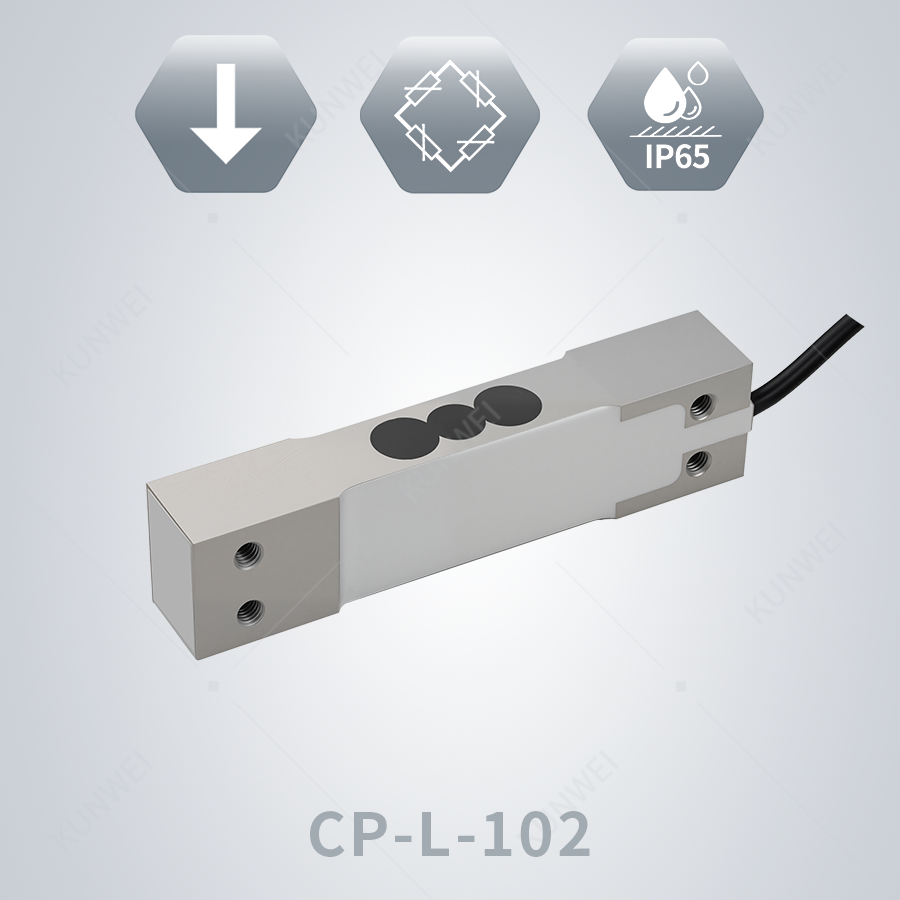
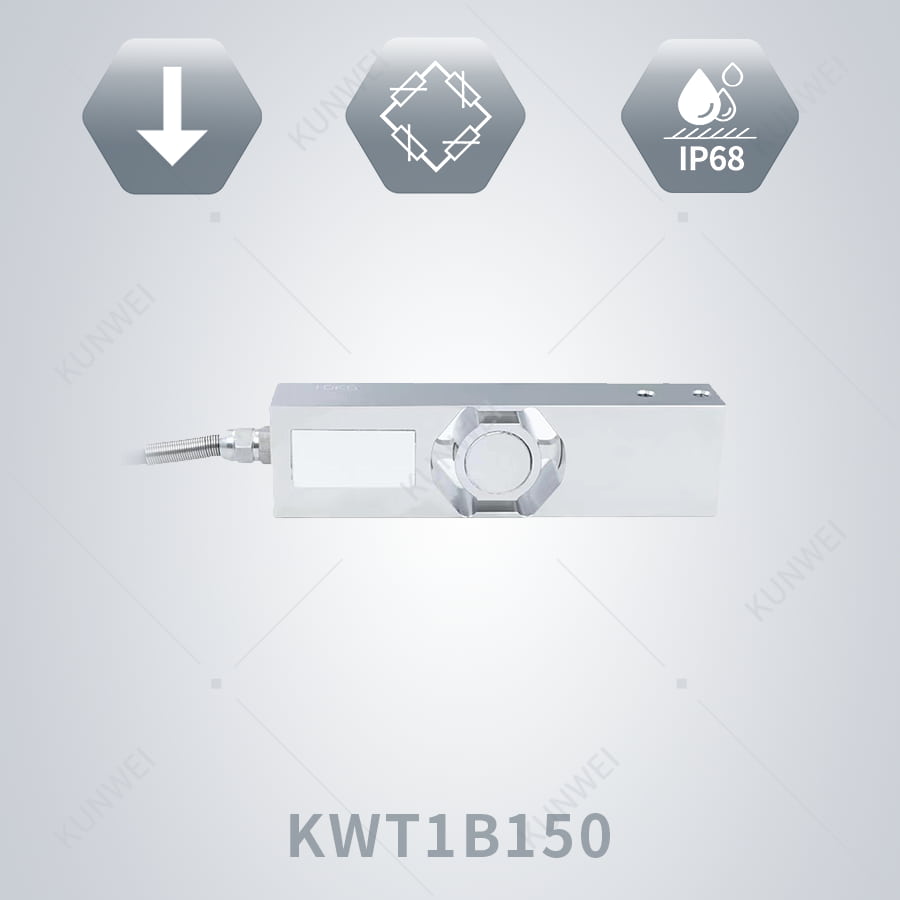
A load cell typically measures force in one direction, while a multi-axis sensor measures forces and torques across multiple axes.
- Where are these sensors most commonly used?
They are widely used in robotics, aerospace, medical devices, and industrial automation.
- Are Multi-Axis Force Torque Sensors expensive?
Yes, they are generally more expensive than single-axis sensors due to their complexity and precision, but they offer significantly greater value.
- How accurate are these sensors?
High-end sensors can achieve extremely high accuracy, often within fractions of a percent of the full-scale range.
- Can they be used in harsh environments?
Yes, many sensors are designed for extreme conditions, including high temperatures and vibrations.
- What is cross-talk in multi-axis sensors?
Cross-talk refers to interference between measurement axes, which can affect accuracy if not properly managed.
- Do they require calibration?
Yes, regular calibration is essential to maintain accuracy and performance.
Schlussfolgerung
A Multi-Axis Force Torque Sensor is an important piece of technology in modern engineering. It allows machines to understand and respond to complex physical interactions with high precision. It can measure forces and torques across multiple dimensions, which makes it very useful in many industries, including robotics and aerospace.
As technology improves, these sensors will become even more powerful, smaller, and part of clever systems. In the age of automation, businesses and engineers need to invest in high-quality multi-axis sensing technology to stay competitive.

.jpg)
.jpg)