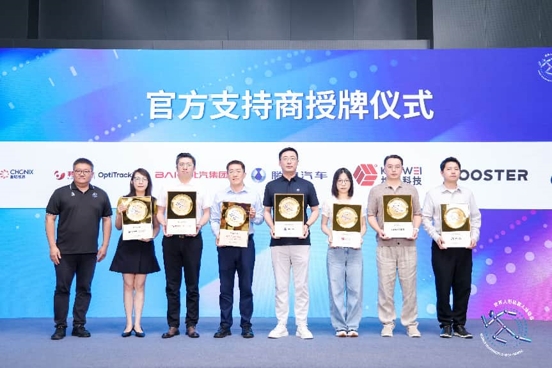
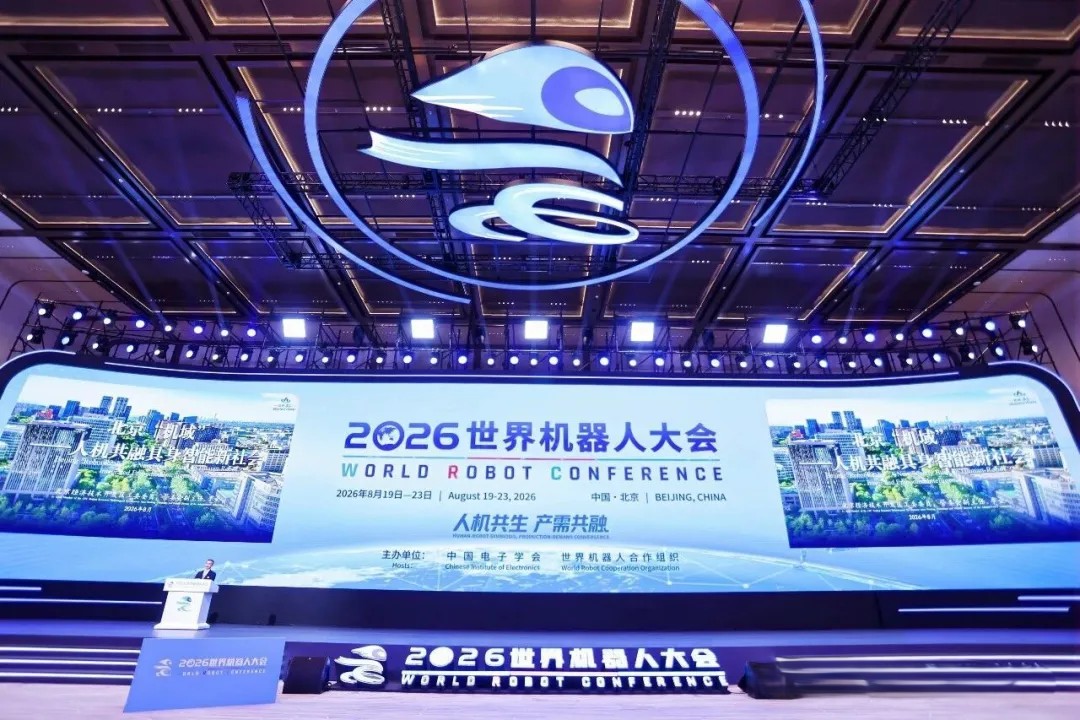
On August 19, the 2026 World Robot Conference (WRC) officially opened at the Beijing Yizhuang Etrong International Exhibition & Convention Center. Theme-driven by “Human-Robot Coexistence, Industry-Demand Integration,” this edition was co-hosted by the Chinese Institute of Electronics and the World Robot Cooperation Organization. The event gathered over 300 participating enterprises, showcased more than 2,000 exhibit items, and featured over 150 global product debuts. For the first time, four designated theme days structured the 5-day event with clear focus: August 19 (Release Day), August 20 (Procurement Day), August 21 (Developer Day), and August 22–23 (Public Open Days).
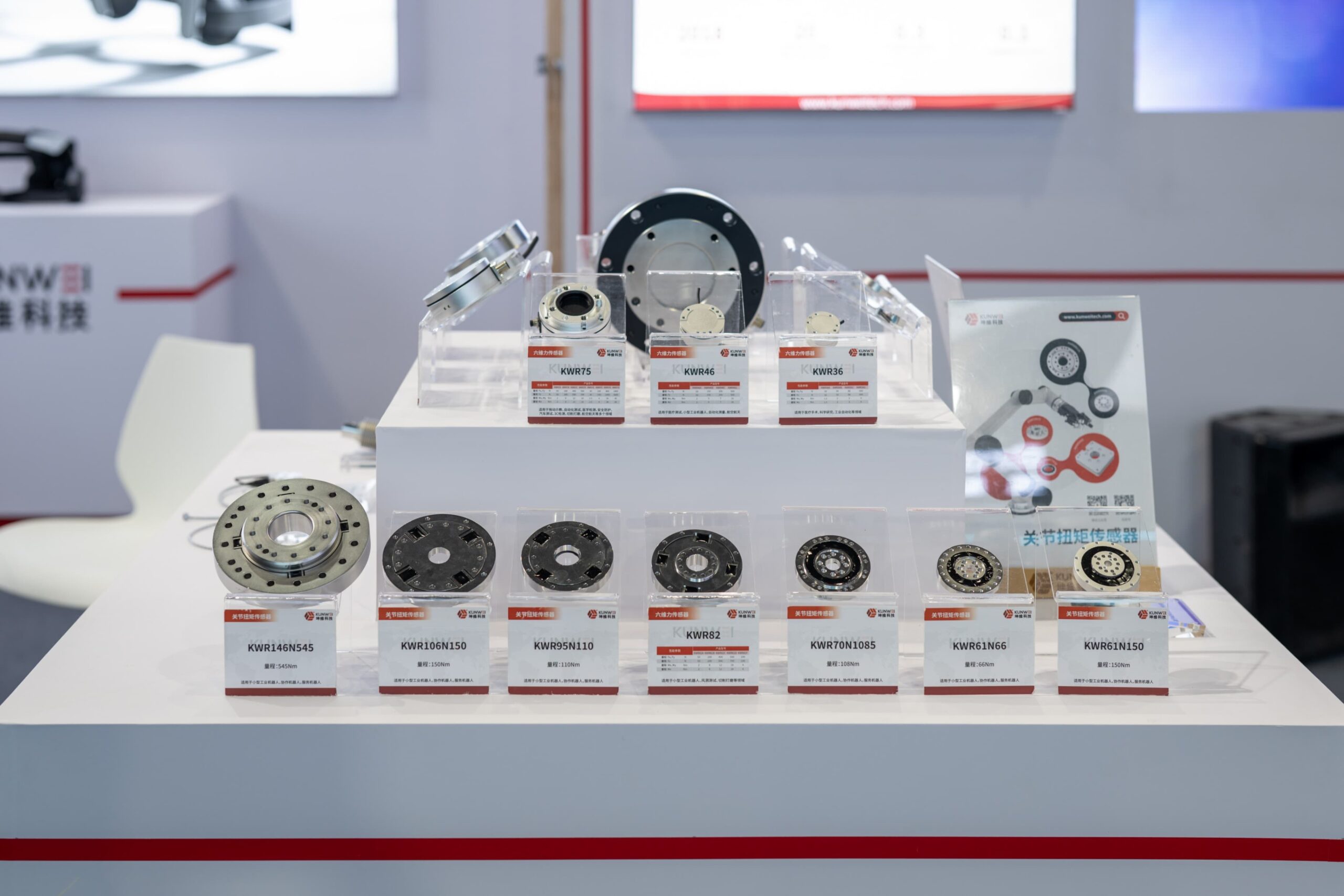
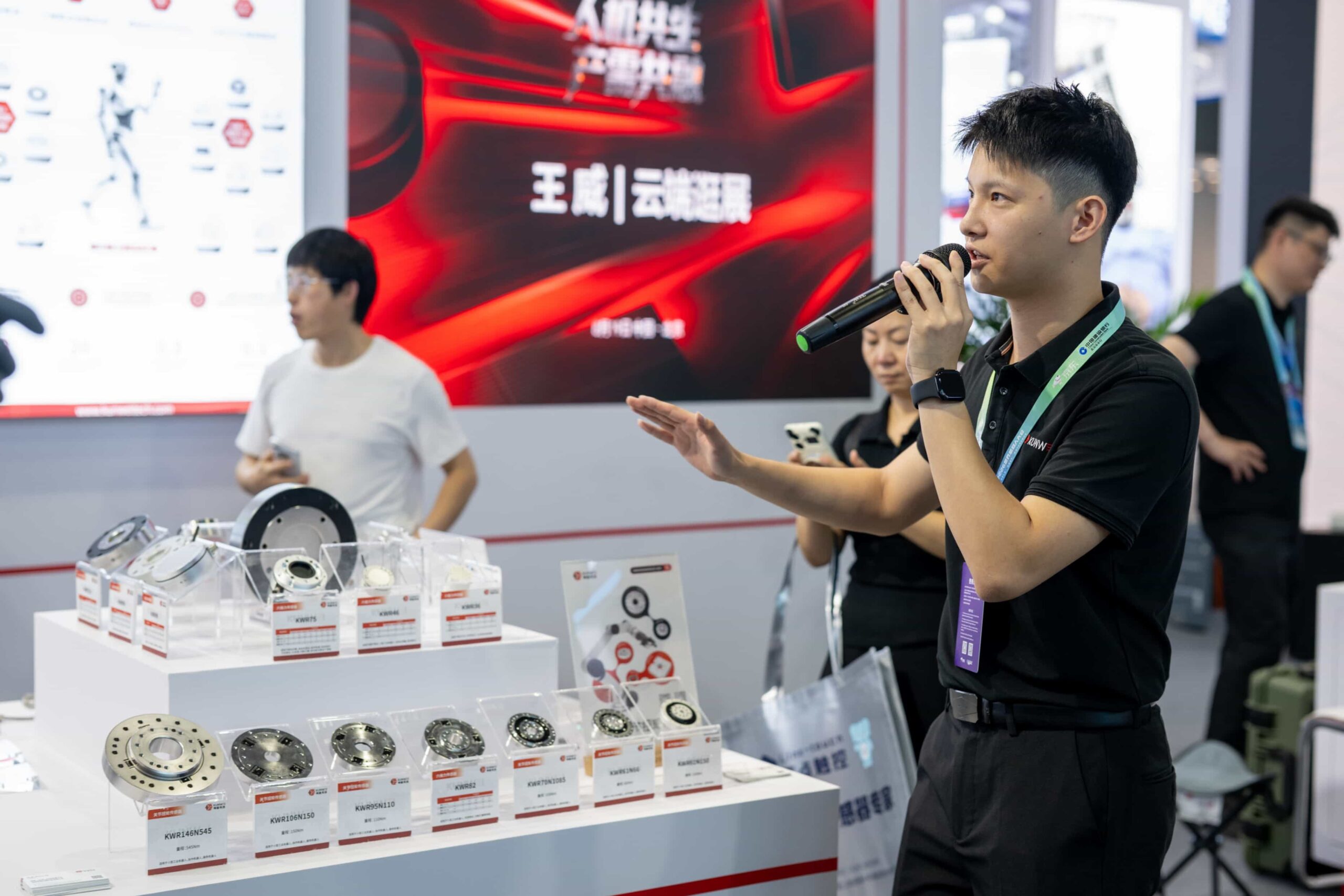
Achieving human-robot coexistence fundamentally requires robots to accurately interpret human intent—a capability whose core lies in force perception. The theme “Human-Robot Coexistence, Industry-Demand Integration” directly addresses how breakthroughs in sensing technology can narrow the collaborative distance between humans and machines. Against this backdrop, Kunwei Tech exhibited its full-stack force-control sensing solutions at Zhihe Pavilion (Booth B306). Spanning three major segments—six-axis force sensors, joint torque sensors, and exoskeleton products—Kunwei presented a comprehensive matrix of “end-effector sensing + joint force control + consumer application extension,” offering a concrete response to “Industry-Demand Integration.” Grounded in the spirit of global cooperation, Zhihe Pavilion brought together domestic and international leaders, providing Kunwei a platform to engage with supply chain partners on how force-sensing technologies can accelerate the transition of “human-robot coexistence” from concept to reality.
End-Effector Force Sensing: Building the Physical Foundation of “Human-Robot Coexistence”
Human-robot coexistence is far more than simply “humans not touching machines, and machines not touching humans.” True coexistence means a robot can sense human force, yield to human movements, and make real-time adjustments during physical interaction. Kunwei’s six-axis force sensor serves as the precise physical foundation for this capability.
As the core cornerstone of Kunwei Tech, the six-axis force sensor is also the source of its full-stack force control system. Drawing on over 20 years of technology accumulation in aerospace testing, Kunwei has continuously deepened its expertise in strain electrical measurement principles and aerospace-grade calibration processes. The products feature a repeatability precision better than 0.1% FS and an accuracy (including crosstalk) better than 0.3% FS, with core indicators exceeding international peers. The company pioneered a dual-path technology of “structural decoupling + algorithmic decoupling,” controlling inter-axis crosstalk error at extremely low levels—achieving a crosstalk control precision 6 to 8 times higher than the industry average.
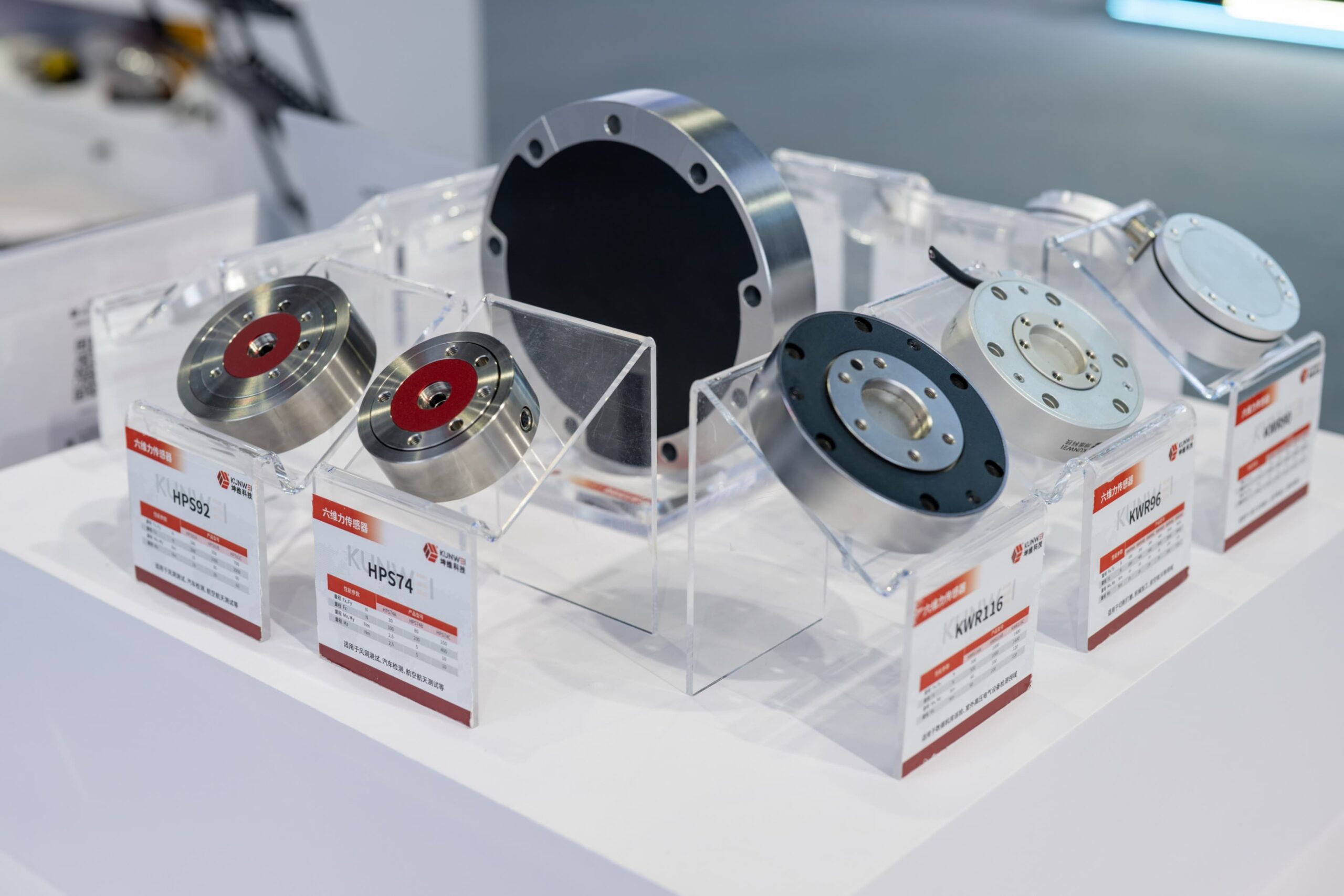
In terms of industrial application, Kunwei’s six-axis force sensors cover diameters from 36mm to 200mm, measurement ranges from 30N to 10KN, and a minimum thickness of just 10mm.
HRS Humanoid Series
Specially designed for humanoid robot wrists, ankles, and dexterous hands, this series is renowned for its ultra-thin profile (starting at 10mm) and an overload capacity exceeding 300% FS, alongside a repeatability better than 0.1% FS and accuracy better than 0.3% FS. Taking UBTECH’s Walker series humanoid robot as an example, HRS series sensors are deployed at the robot’s wrists and ankles. In factory material handling scenarios, the six-axis force sensor senses real-time end-contact force variations and payload fluctuations, transmitting 6-axis force and torque data to the control system within milliseconds. This ensures stable balance during heavy-load walking, flexible compliance gripping, and precise placement. Currently, this series is supplied in volume to leading humanoid robot companies such as UBTECH, Agibot, Galbot, and Xiaomi.
HPS Ultra-High Performance Series
Utilizing self-developed special titanium alloy elastomers, this series reduces sensor weight by nearly half while achieving sampling rates up to 30kHz. The HPS92 model, for instance, achieves an extreme overload capacity of up to 500% FS within a compact footprint of 92mm in diameter and 28.6mm in height. Delivering 0.1% FS repeatability and accuracy better than 0.3% FS, it is engineered for extreme operating conditions such as aerospace wind tunnel testing and high-dynamic scientific research. University laboratories represent a key application scenario: in cutting-edge topics such as robot control, human-robot interaction, and precision operations, the HPS series provides precise force-sensing data support via its high bandwidth and rapid dynamic response capabilities.
KWR Precision Series
Tailored for industrial automation, precision assembly, medical surgical robots, and research testing, this series covers diameters from 36mm to 200mm. Typical models include KWR36 (a 36mm miniaturized design), KWR75 (a classic series adapted for cobots), and KWR200 (for heavy-load applications). The KWR series achieves 0.1% FS repeatability and accuracy better than 0.3% FS. For example, when equipped with Kunwei’s KWR series end-effector force sensor, the Huayan PR series collaborative robot arm operates with “tactile feel” in precision assembly and constant-force polishing—the sensor provides real-time contact force feedback to adjust polishing force precisely, preventing over-cutting or under-cutting defects. Concurrently, it enables smooth drag-to-teach capabilities and millisecond-level collision response, transforming collaborative robots from units that “move along trajectories” into intelligent operating units that “perceive environments and self-adapt.”
CSR Economical Series
Designed specifically for industrial robot polishing, welding, drag-to-teach, and general automation force-control applications. With accuracy controlled within 1.5% FS, it fully satisfies core needs like constant force control in polishing, contact force sensing in welding, and manual guidance. Leveraging a fully localized domestic supply chain and large-scale manufacturing, the CSR series brings the cost threshold of six-axis force sensors down to the “1,000-RMB class,” optimizing cost significantly while maintaining core performance to help small-to-medium manufacturing enterprises rapidly adopt force control capabilities.
According to data from MIR Industry Research, Kunwei held a 53% market share in six-axis force sensor shipments within the intelligent robot sector in 2025, maintaining a dominant lead in China; in the collaborative robot niche, its market share exceeded 70%, also ranking first nationally. This serves as the most direct proof of “human-robot coexistence” moving from concept to industrial scale.
Joint Sensing: Fortifying Humanoid Robots’ Essential Needs via “Industry-Demand Integration”
Industry-demand integration dictates that technology supply must match industrial demands with high precision. As humanoid robots transition from prototypes to mass production in 2026, joint force control has become an absolute necessity—relying solely on position control cannot yield compliant motion, safe collision avoidance, or adaptive payload management. Every single joint requires a torque sensor for real-time load perception.
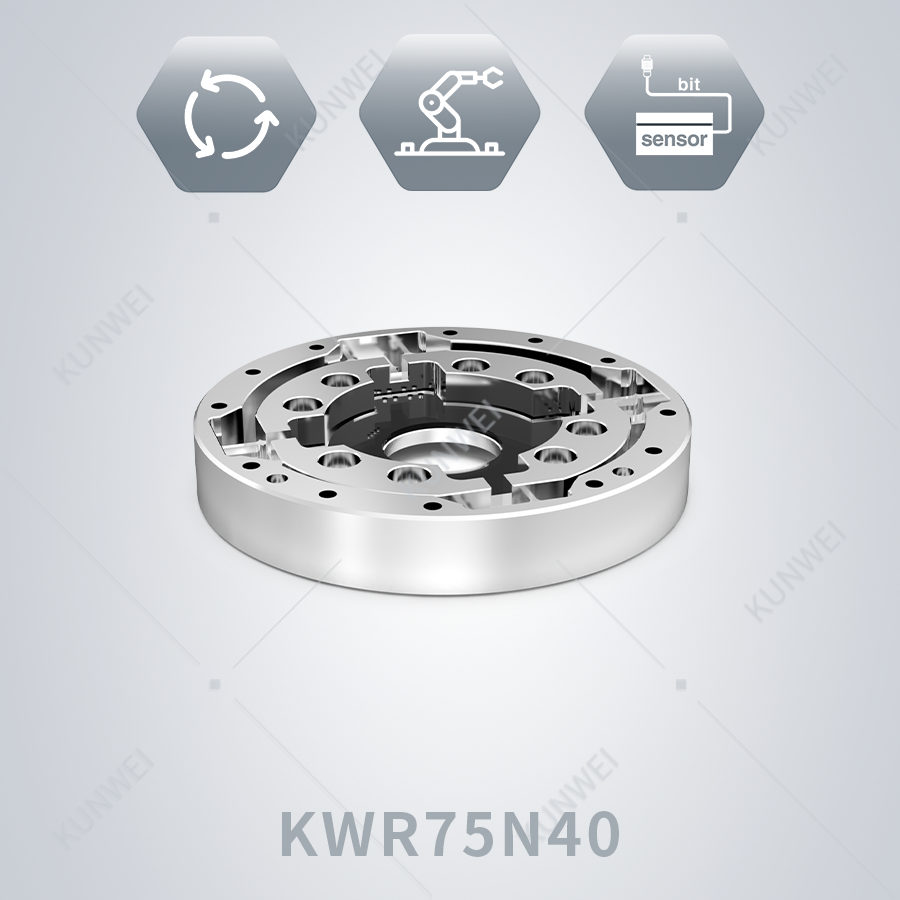
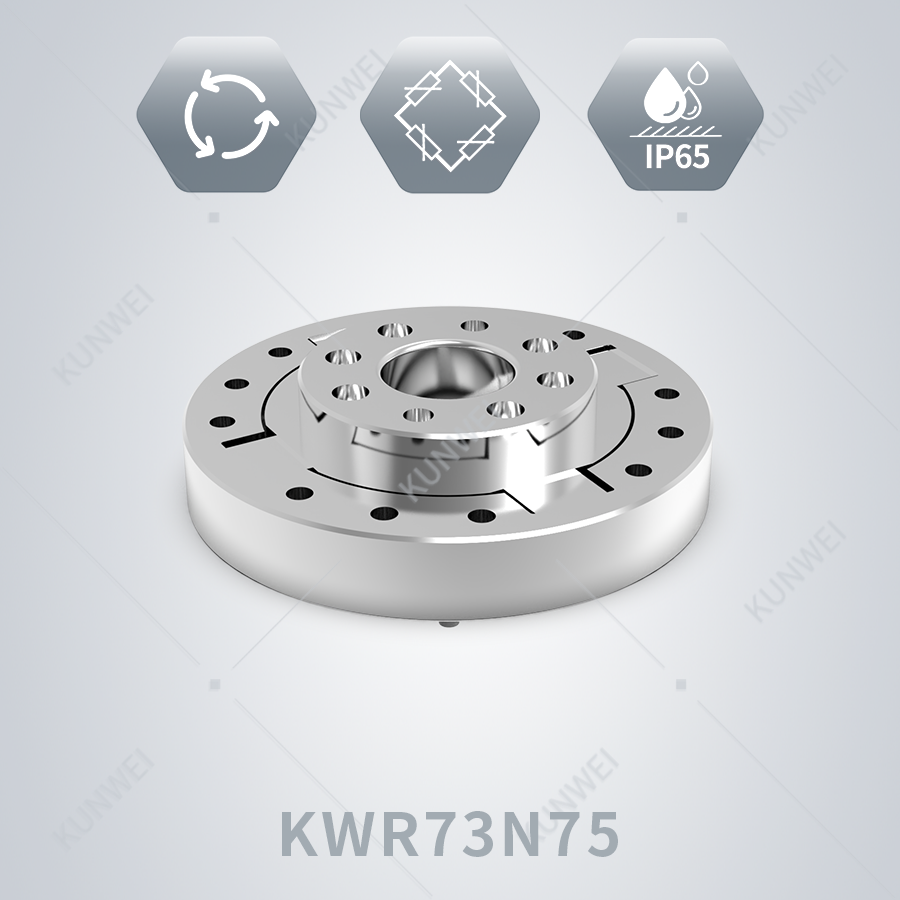
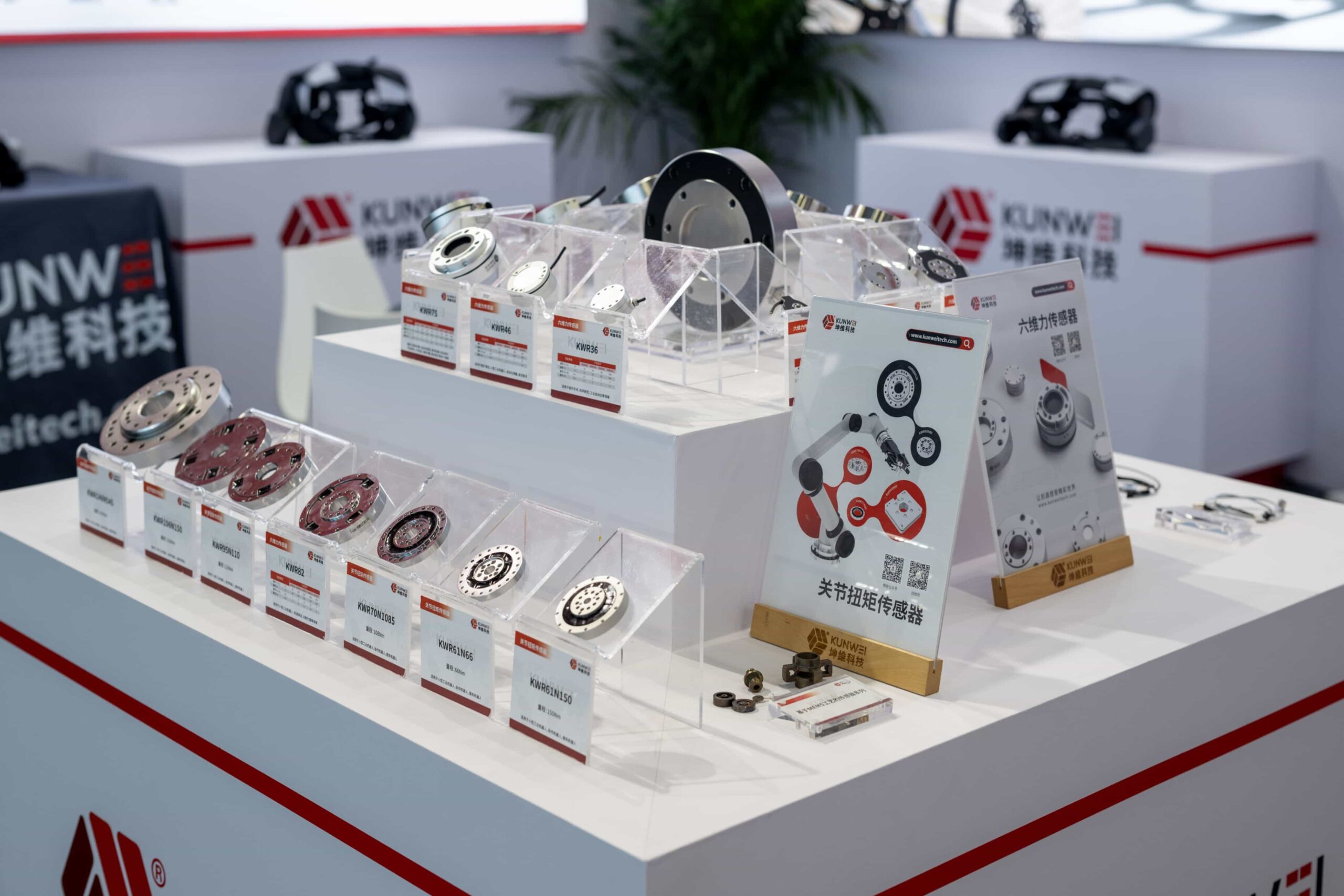
Since 2023, Kunwei joint torque sensors have undergone deep collaborative development with top-tier joint module manufacturers and humanoid robot OEMs. Developed specifically for integrated robot joints, these products feature hollow-shaft or flanged structures with diameters ranging from 34mm to 146mm, allowing direct integration between harmonic reducers and motors. Taking model KWR86N80 as an example, it achieves repeatability precision better than 0.05% FS, comprehensive accuracy better than 0.15% FS, and zero thermal drift ≤0.05% FS/10℃. The entire lineup features IP65 protection, safe overload capacity of 200% FS, and ultimate overload capacity of 300% FS.
Kunwei joint torque sensors establish a complete parameter system across five core performance dimensions:
-
Rated Load: Defines the measurement range, which must cover all normal operating conditions. Ideally, maximum normal workload accounts for around 70% of the full scale.
-
Overload Capacity: Divided into safe overload (200%–300% FS, with minimal effect on precision post-unloading) and ultimate overload (300%–500% FS, preserving structural integrity while precision may degrade).
-
Repeatability Precision: Better than 0.05% FS, meaning measurement variance under repeated identical loads stays within 0.05%.
-
Comprehensive Accuracy: Better than 0.15% FS, measuring deviation from real values, primarily affected by non-linearity and hysteresis.
-
Off-Center Load Resistance: Offers differentiated structural designs for cup-type and hat-type reducers to ensure minimal crosstalk and optimal system rigidity.
Grounded in the precise control of these five indicators, Kunwei has delivered over a hundred customized solutions adapted to various humanoid robot platforms and joint modules—shifting the approach from “finding applications for existing products” to “driving technology iteration via application needs,” a quintessential model of “Industry-Demand Integration.” Working in tandem with end-effector six-axis force sensors, joint torque sensors form a dual “joint + end-effector” force sensing closed loop, providing critical data support for humanoid robot walking balance, compliant control, and distributed whole-body force control.
Brand Debut: HIIBEX Ultra-Light Exoskeleton — Exploring Consumer Applications in Outdoor Scenarios to Bring “Coexistence” into Daily Life
Leveraging years of sensor development and technical accumulation in embodied intelligence, Kunwei crossed boundaries into the exoskeleton market, introducing a lightweight power-assist exoskeleton built for outdoor activities like cycling, mountaineering, and running. The company established a dedicated engineering team to achieve full-stack self-development across structural materials, motors, electrical drives, AI algorithms, and lightweight model deployment, continuously building differentiated technical barriers. Kunwei prioritizes innovation and R&D: for the self-developed HIIBEX ultra-light outdoor assist robot, the company has accumulated over 10 patents and inventions, driving healthy industry growth through ongoing technical breakthroughs.
The product achieves structural innovations by utilizing carbon fiber composites for over 80% of its frame, keeping total weight—including battery and soft padding—under 2.1kg. The body-contact padding adopts SCF Foaming material sourced from high-end running shoe manufacturing, offering shock absorption, non-sweat-absorption properties, ultra-light weight, and high breathability to ensure long-term comfort across extended outdoor routes.
Its power system features the self-developed AmbiForce high-performance motor, delivering a peak torque of 26Nm from a single motor through precision manufacturing—capable of handling demanding activities like cycling uphill and loaded hiking. Equipped with a standard 75.6Wh large-capacity battery, it provides over 6 hours of continuous power assist. The device supports pass-through charging via standard power banks, eliminating the need for proprietary batteries and resolving range anxiety on long trips.
At the algorithm level, the product features the self-developed AmbiCore adaptive model, capturing human movement trends 200 times per second and predicting posture and intent 5 milliseconds in advance. This addresses key industry pain points such as laggy power assist and jerky interactions. Moving forward, multimodal sensor fusion technology will be integrated to enhance human-robot collaboration efficiency further.
In terms of commercial roadmap, outdoor sports represent the most efficient arena for product validation and brand building in consumer-grade exoskeletons. Kunwei has laid out a clear, phased growth trajectory: first establishing a brand benchmark in high-ticket, high-awareness outdoor markets, then penetrating mature technologies into the elderly assistance market. The long-term goal is to transform exoskeletons from specialized assistive devices into accessible personal mobility terminals for everyone.
The HIIBEX ultra-light outdoor assist robot supports ODM customization, catering to both outdoor consumers and B2B clients in sports and outdoor sectors for customized development and deployment to solidify its commercial viability.
Central Enterprise Delegations & Procurement Day: An Industrial Signal for Industry-Demand Integration
This year’s conference introduced August 20 as Procurement Day, focusing on application-driven procurement negotiations and supply chain matching. Forty-nine state-owned central enterprises made their collective debut, presenting 12 application scenarios. Evolving from a “technology showcase” into a “trading platform,” WRC is becoming a dual validation environment for B2B procurement matching and B2C user feedback.
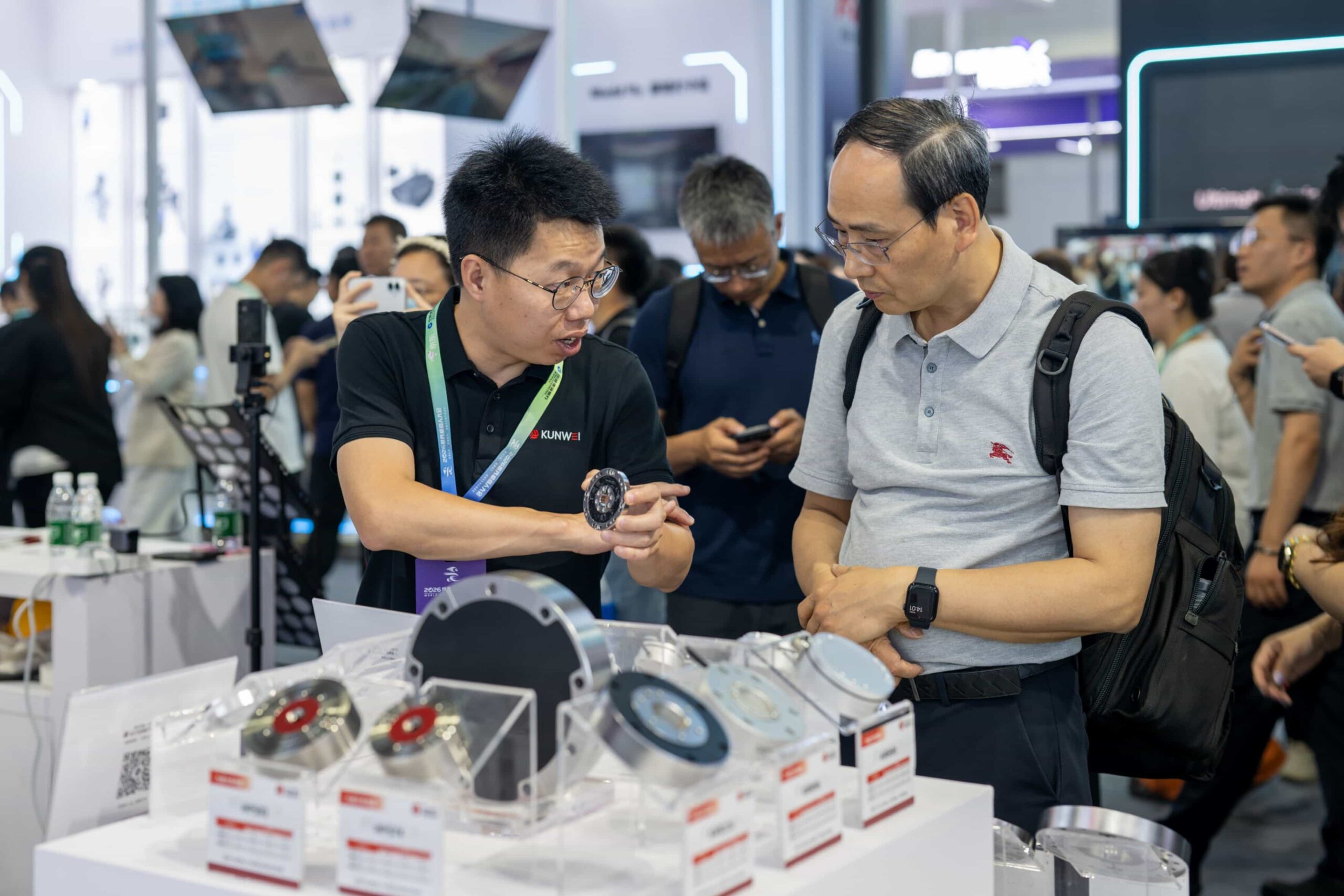
During Procurement Day on August 20, Kunwei’s booth attracted extensive interest from central enterprise procurement delegations, OEM manufacturers, and joint module developers. Multiple enterprises conducted in-depth discussions regarding domestic force sensing alternatives, supply security, and next-generation product roadmaps. Starting from WRC 2026, Kunwei Tech officially initiated its strategic upgrade from a core component supplier to a full-scenario force-control technology service provider. While consolidating its leading domestic position in six-axis force sensors, the company is accelerating joint torque sensor shipments in the humanoid robot market while expanding force control technologies into consumer fields like sports technology and outdoor cycling to broaden industrial boundaries. Under the goal of “Industry-Demand Integration,” Kunwei leverages controllable core components and full-stack sensing solutions to integrate deeply into the embodied intelligence supply chain ecosystem, actively promoting technical synergy and demand alignment.
Visit Zhihe Pavilion (Booth B306) to Experience the Rhythm of Force Control Solutions
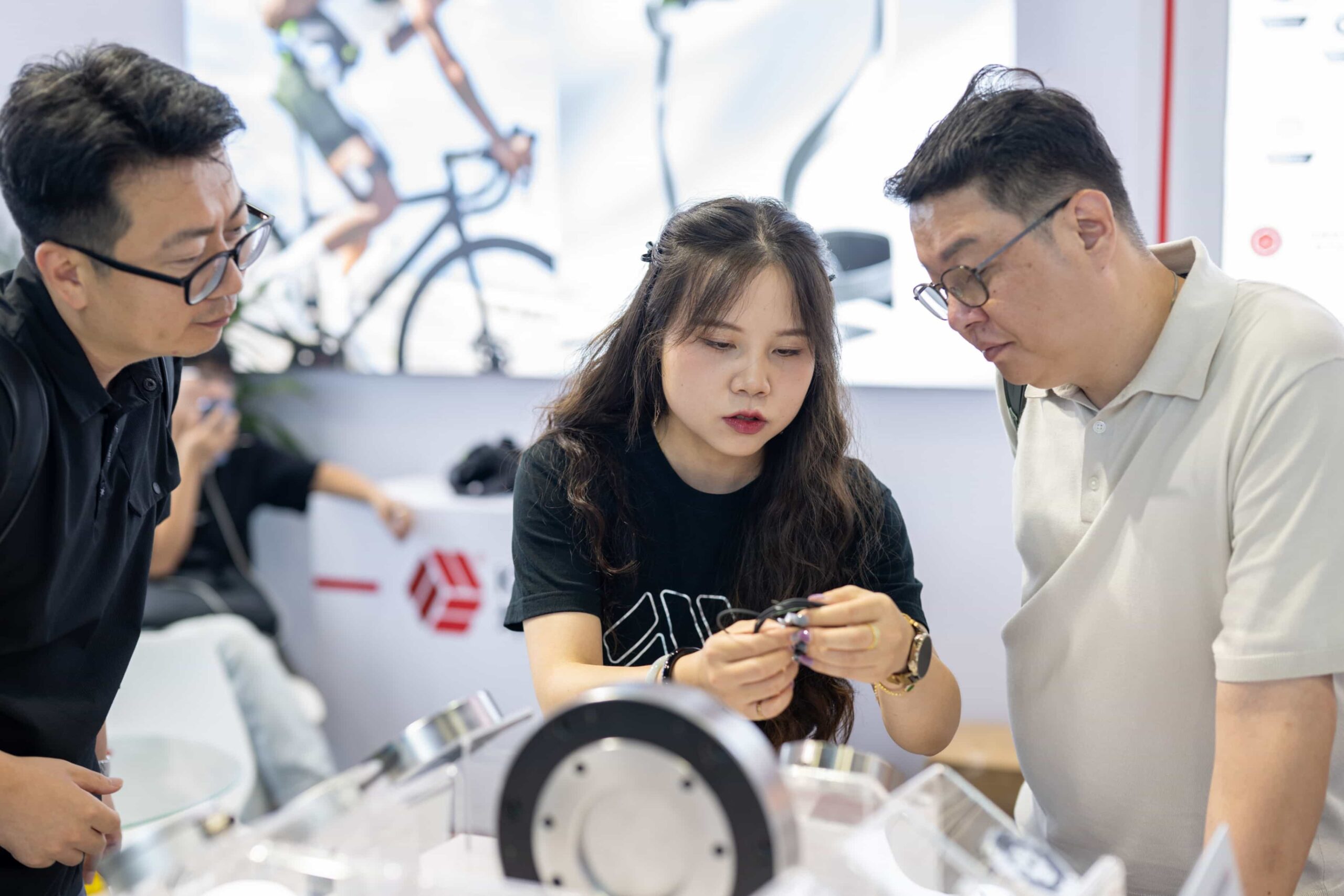
From August 19 to 23, the 2026 World Robot Conference is underway at the Beijing Yizhuang Etrong International Exhibition & Convention Center. Kunwei Tech is located at Zhihe Pavilion (Booth B306), featuring real-time six-axis force sensor demos along with hands-on displays for six-axis force sensors, joint torque sensors, and exoskeleton products. We welcome industry colleagues and partners to visit our booth, exchange insights, and jointly explore how force perception accelerates “human-robot coexistence” from vision to reality, driving the large-scale commercial realization of embodied intelligence through “Industry-Demand Integration.”