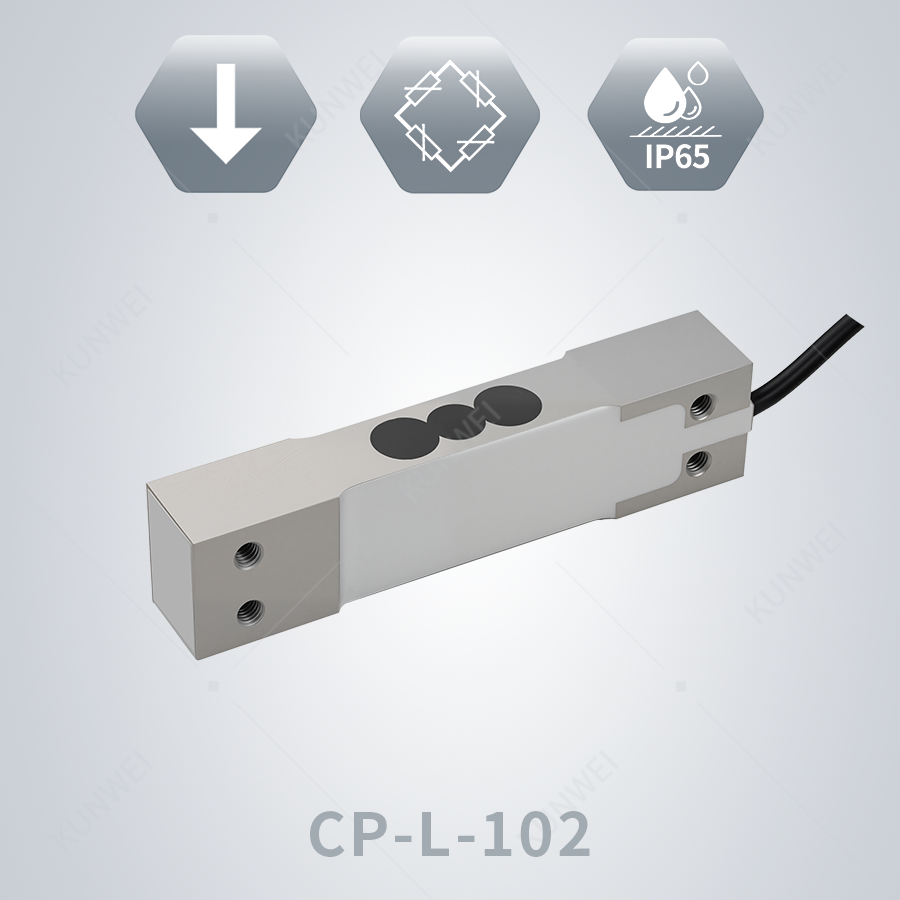
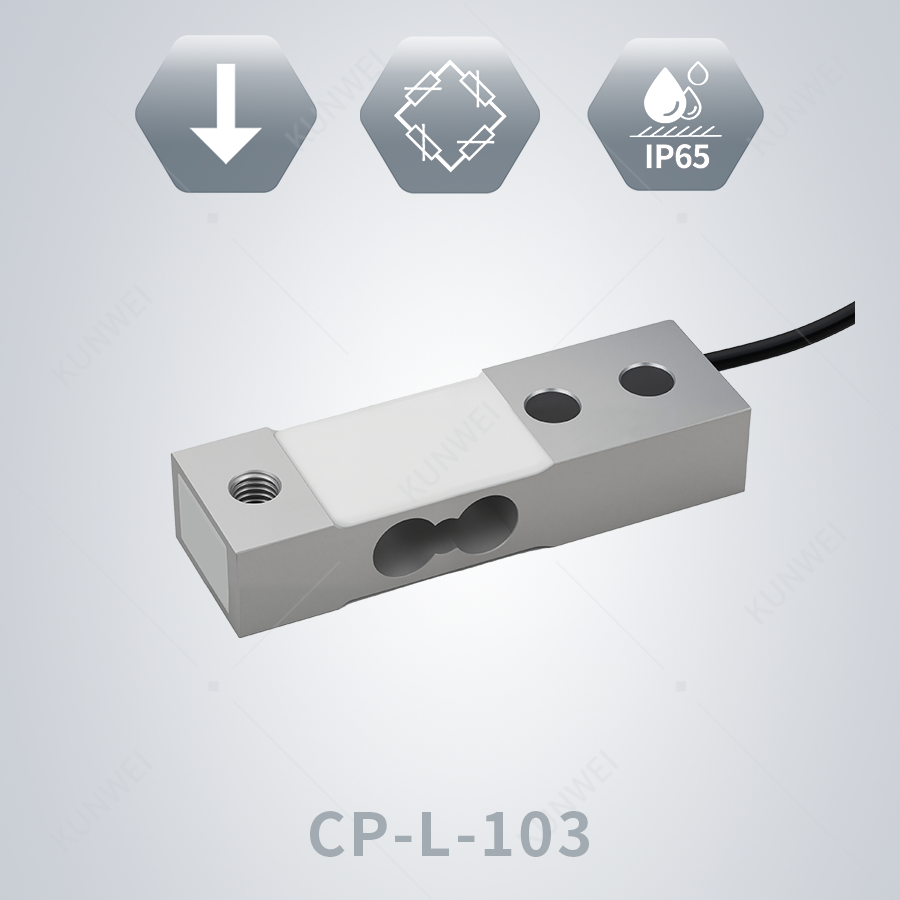
CP-L Series Parallel Beam Structure Load Cells 5kg to 750kg for Platform Scales or Pricing Scales
Description

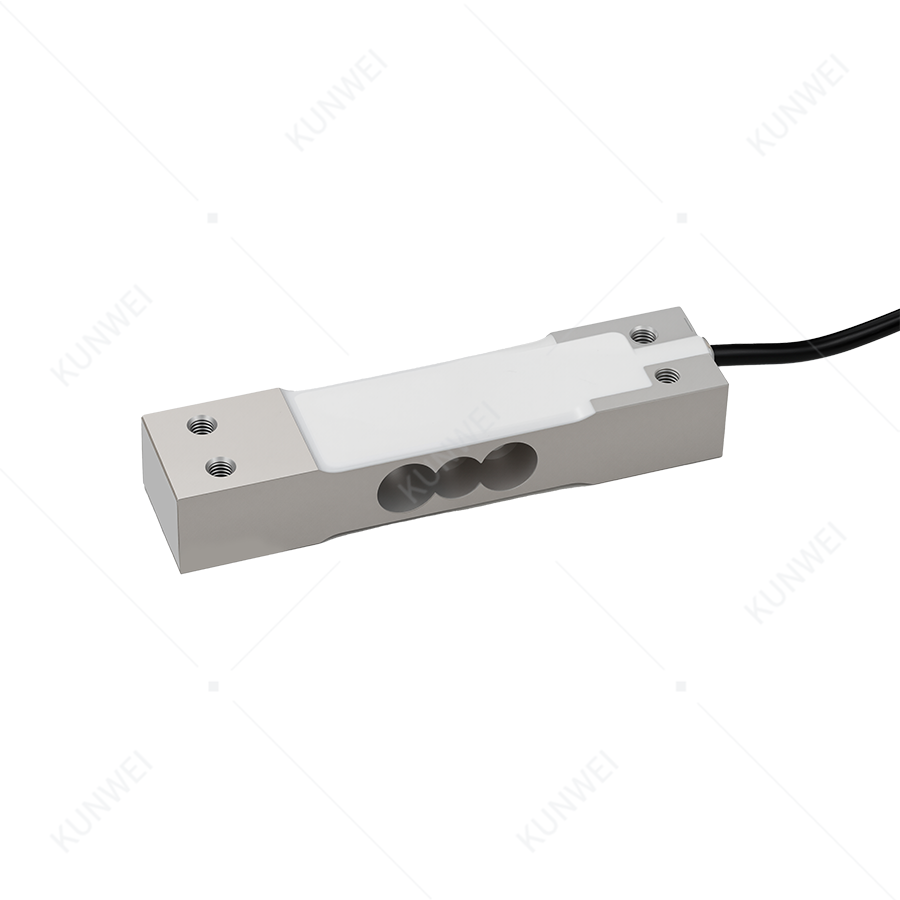
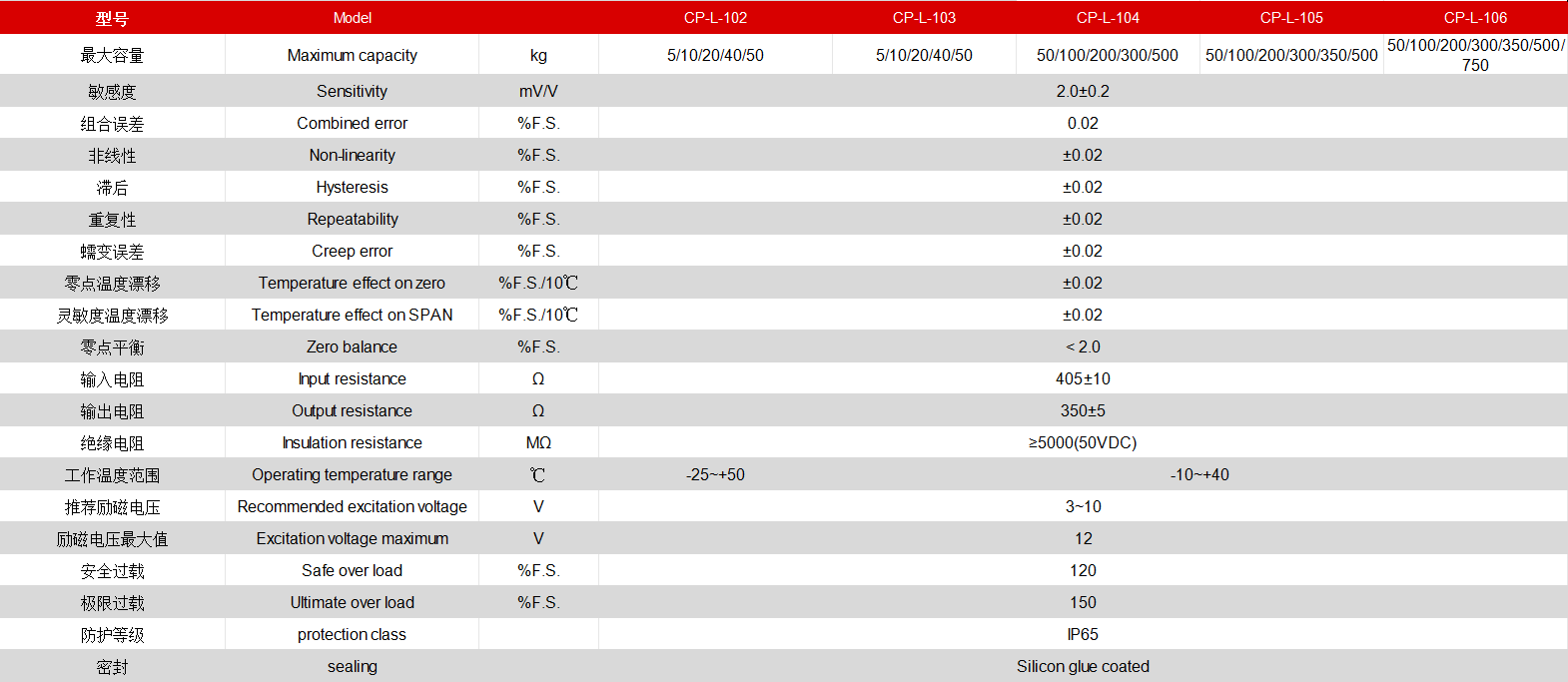
The CP-L series and the CP series adopt the same manufacturing process, such as both using aluminum alloy elastomers and the same strain gauge bonding process. For more information about the manufacturing process, you can visit the introduction of the CP series sensors. The CP series is mainly targeted at mid-to-high-end customer groups, offering a higher accuracy grade, which can reach C6 level. The CP-L series optimizes the production process to ensure that the sensor achieves C3 accuracy grade while maximizing cost performance as much as possible. It can be said that if you are in pursuit of the ultimate cost performance, you can choose the CP-L series. If you are seeking more accurate weighing data, then you can choose the CP series.
 |
 |
 |
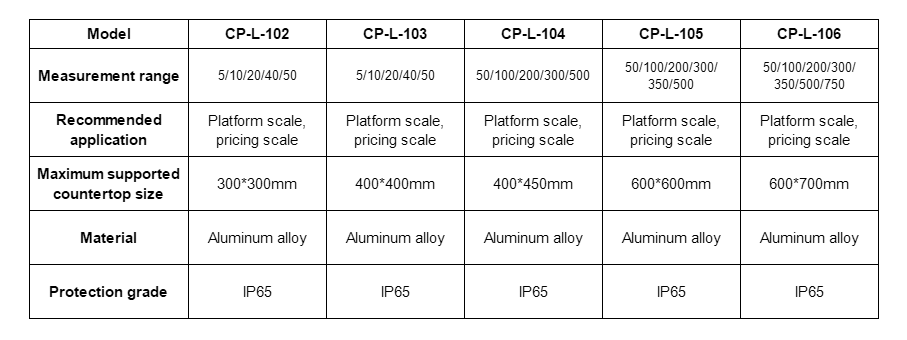
Model of CP-L Series
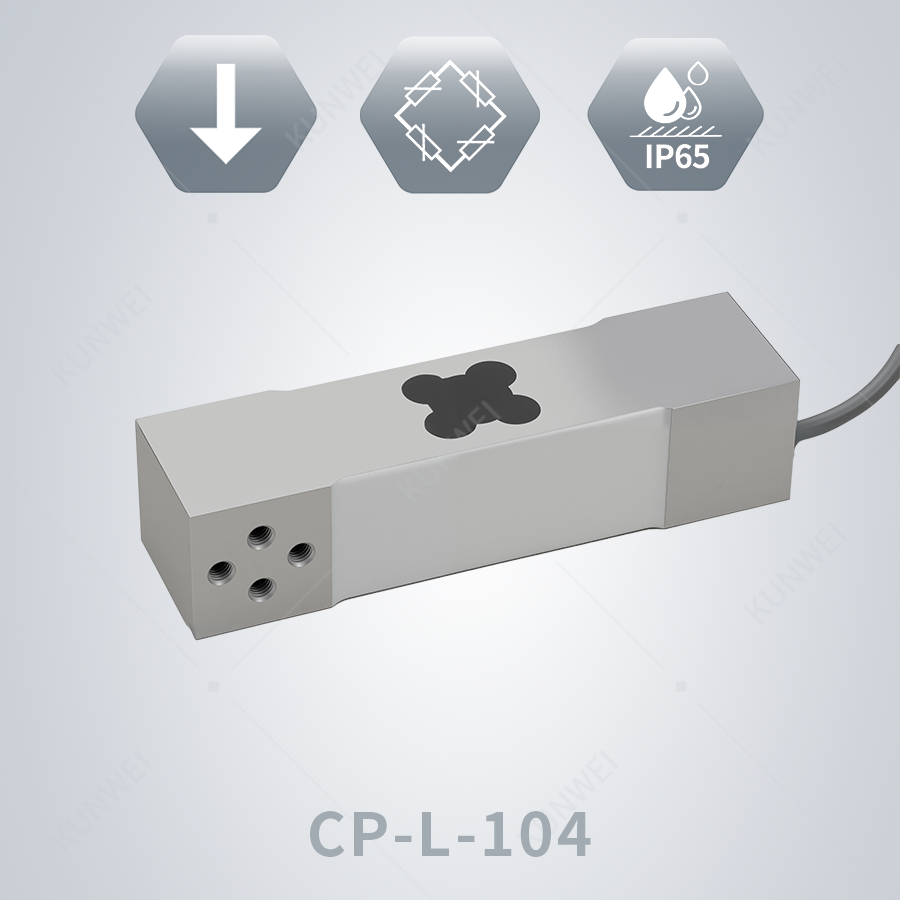
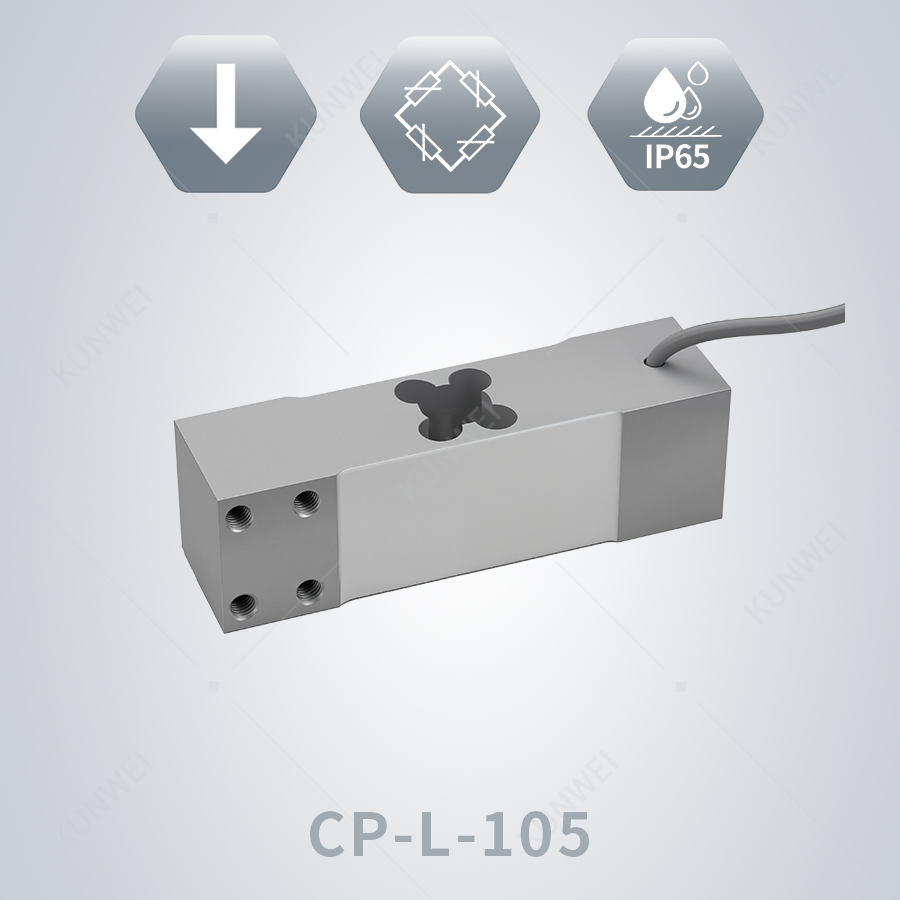
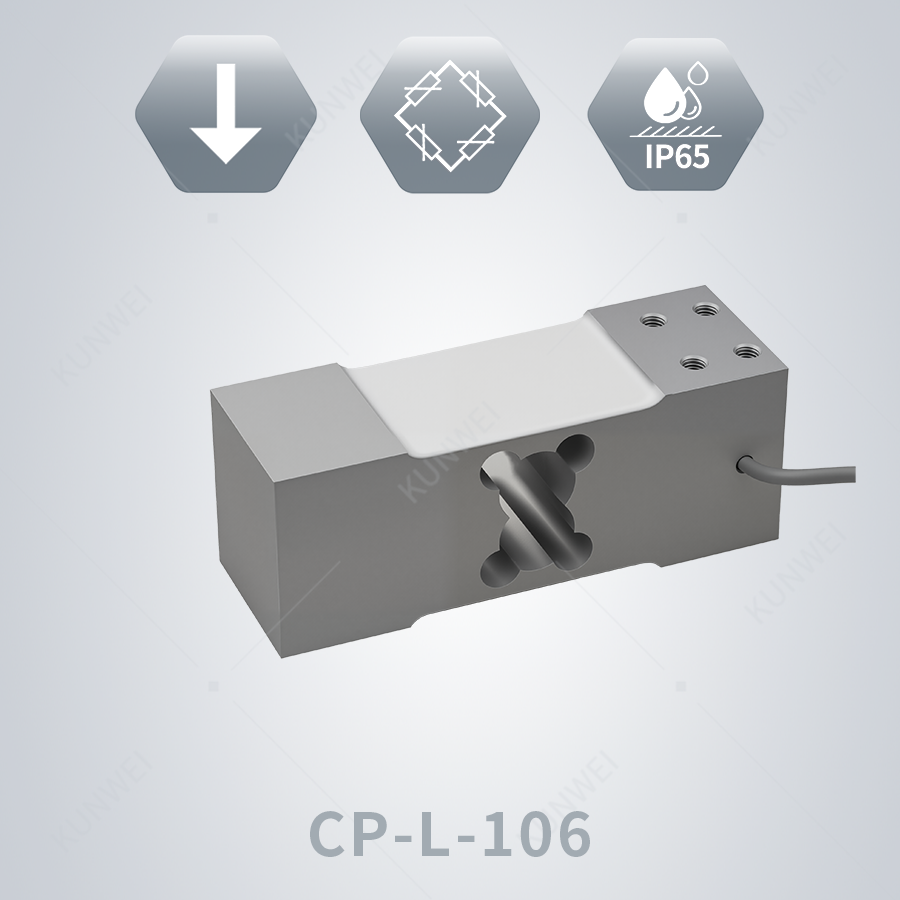
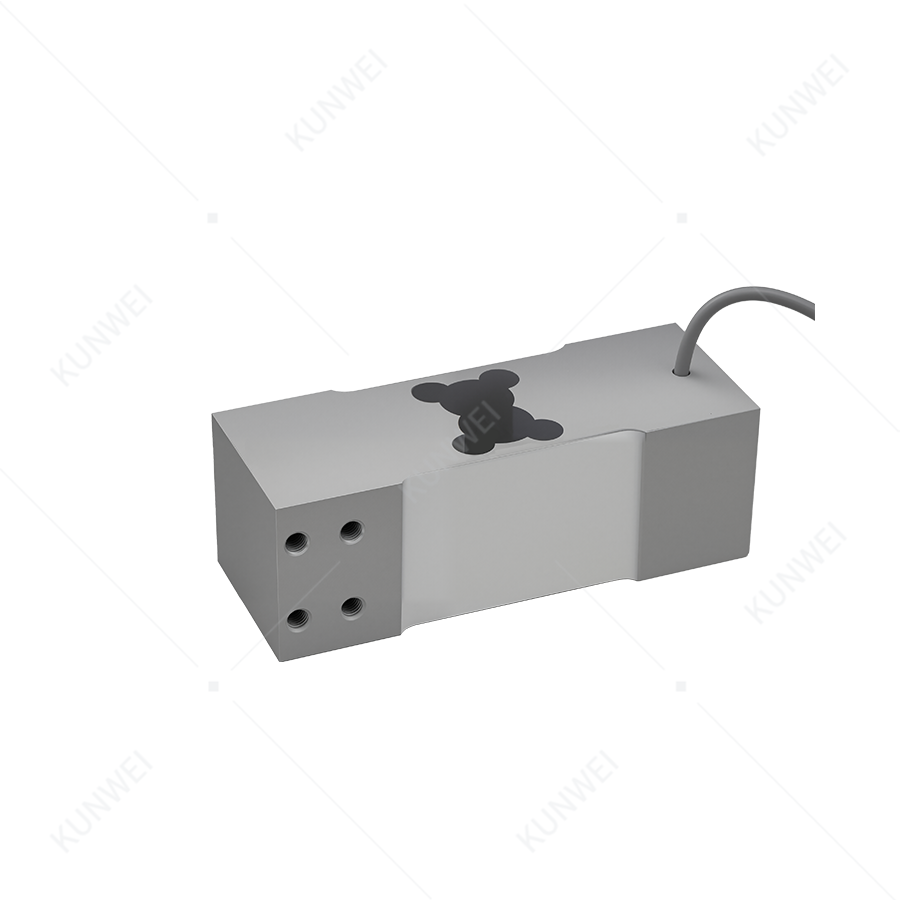
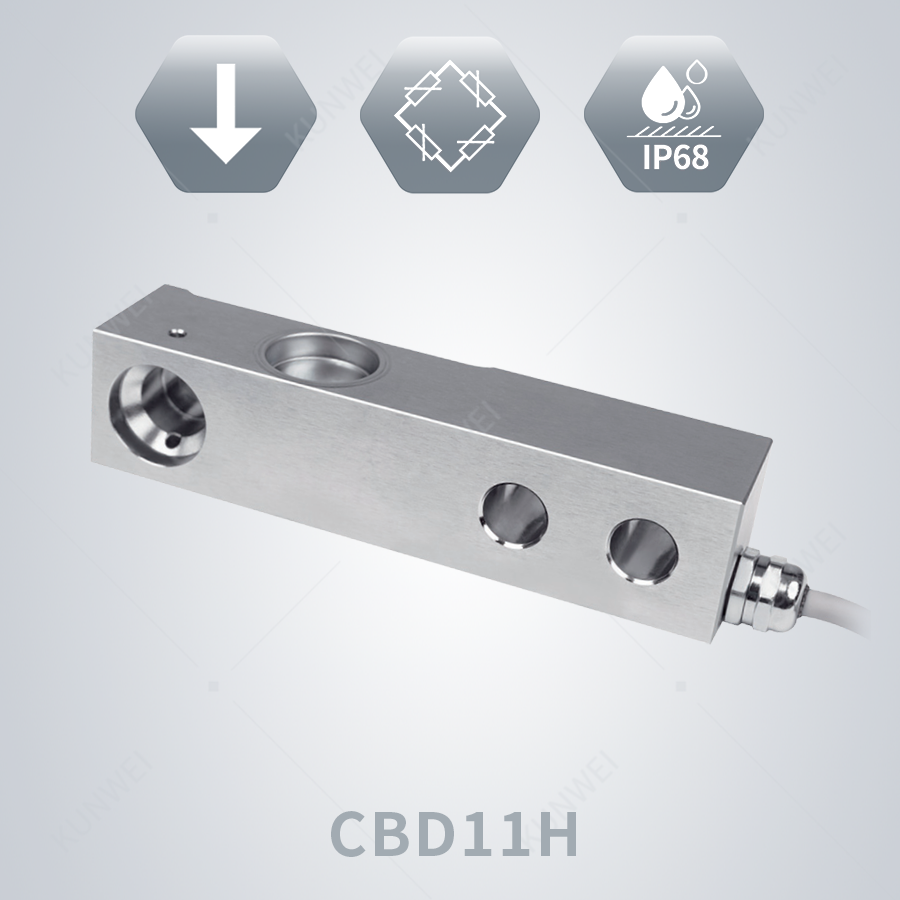
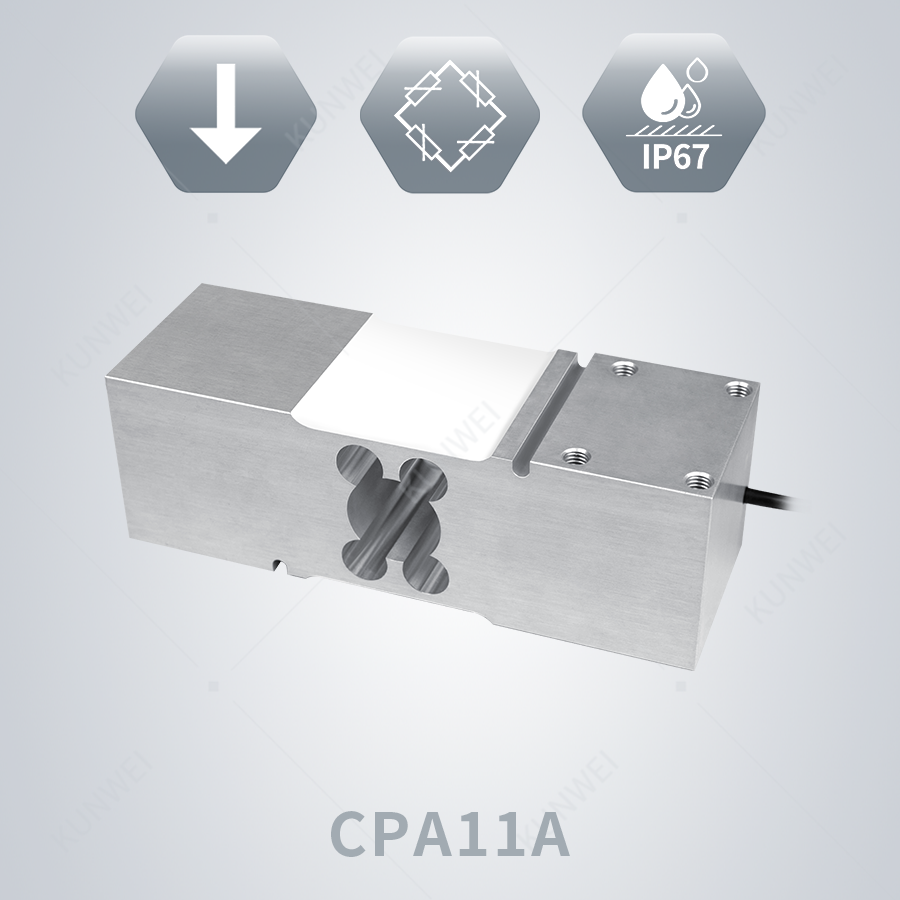
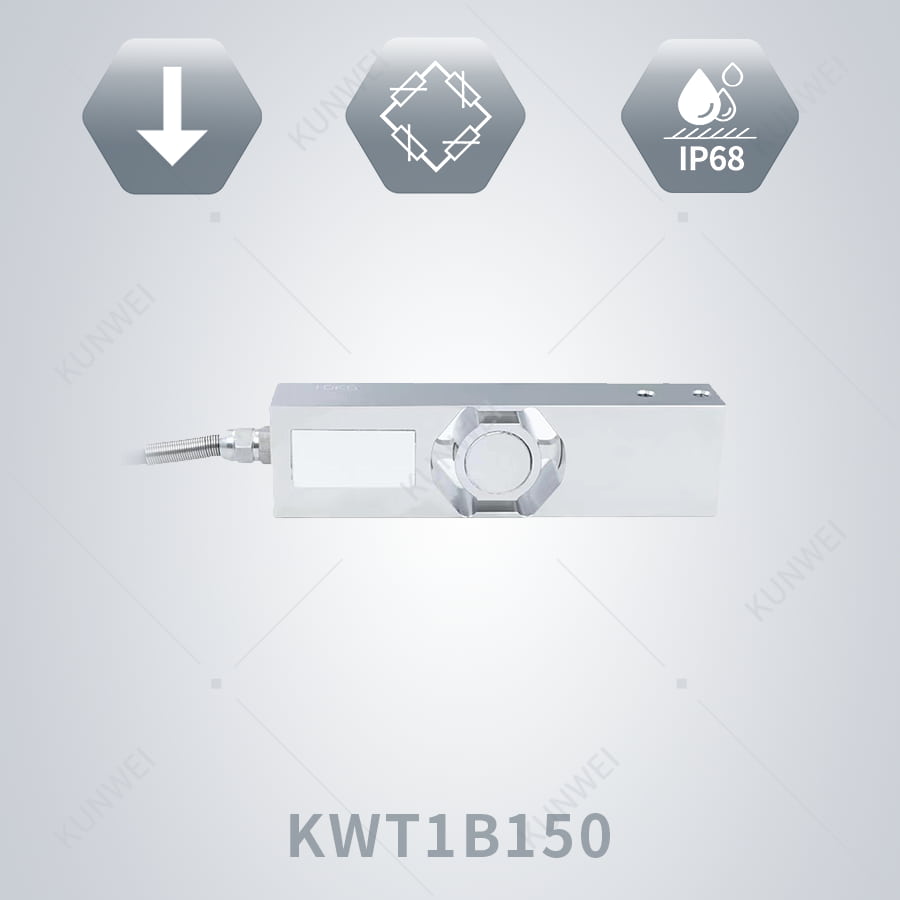
Parallel beam load cells are usually installed in platform scales, pricing scales or various commercial scales. It is suitable for application scenarios where the requirements for corrosion resistance, temperature and humidity are not particularly high.
- Introduction to Application Scenarios:
In commercial weighing instrument application scenarios, parallel beam sensors are installed on label scales to achieve the weighing – label printing function. At present, Shangheng generally uses sensors with an accuracy grade of C3, that is, n=3000. The CP-L series load cells can fully meet the requirements in terms of weighing accuracy.
In the food processing industry, parallel beam sensors can be installed on platform scales to achieve raw material weighing or weight comparison when receiving goods.
In the logistics industry, parallel beam sensors can be installed on the weighing belt of dynamic checkweighers to dynamically obtain the weight of packages and quickly sort or remove them.
- How to install and use it correctly:
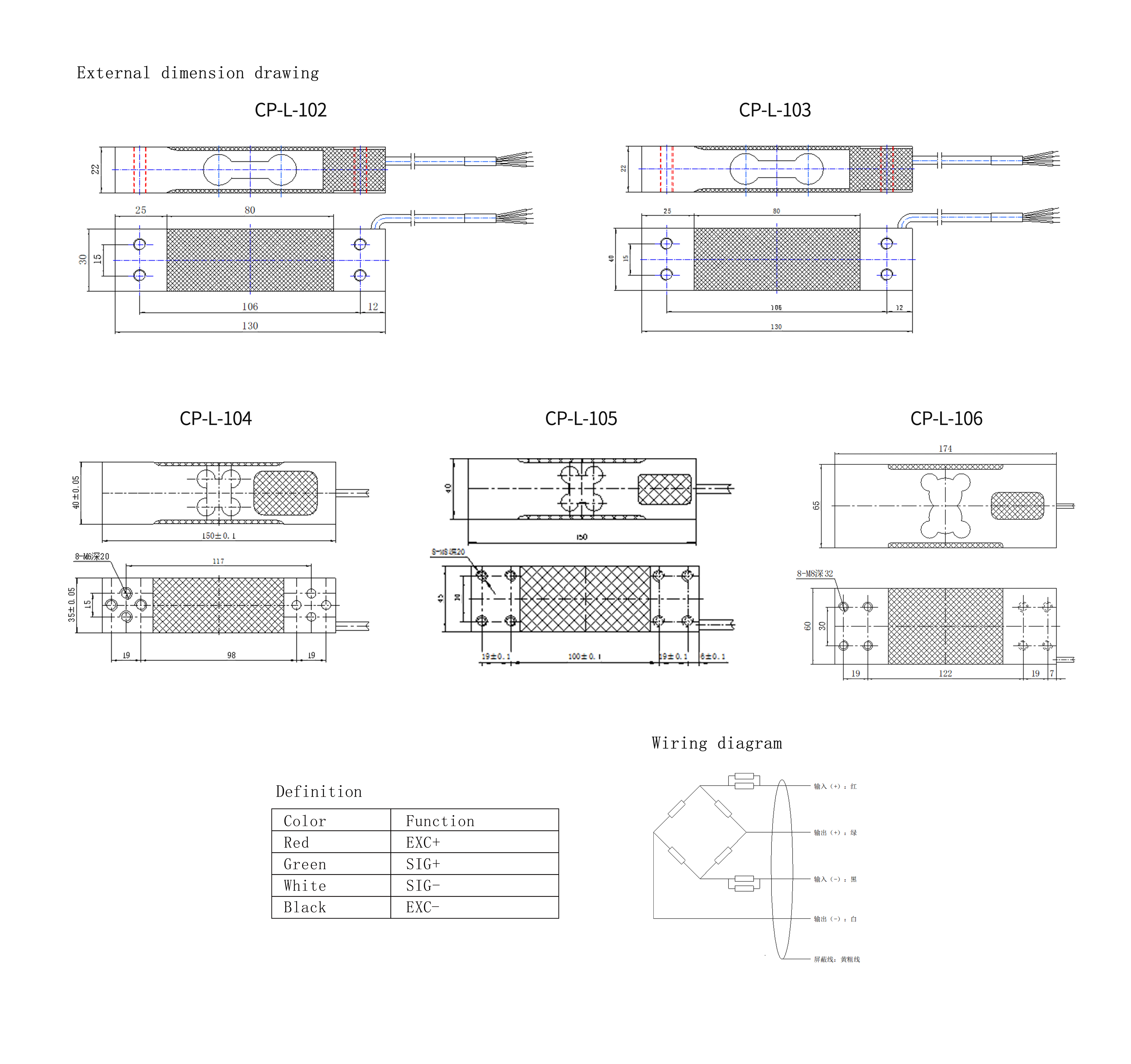
- Determine whether the sensor’s measurement range meets the requirements of actual weighing and the size of the platform (if the actual weighing exceeds the sensor’s measurement range, it will cause damage to the sensor; if the platform size exceeds the maximum size supported by the sensor, it will affect the weighing accuracy).
- Ensure that the installation surface of the sensor is flat and rigid to obtain accurate weight information;
- Select the appropriate installation gasket to ensure that the elastic body has sufficient deformation space;
- Use an appropriate torque to tighten the sensor;
- Adjust the equipment horizontally to ensure that the sensor is subjected to vertical force.
- Recalibrate the equipment;
- Start using.
- The above installation steps can ensure that the sensor acquires accurate weight information.
To sum up, the CP-L series offers a variety of measurement ranges and has an extremely high cost performance. If you are interested in the CP-L series sensors, please feel free to contact us at any time.

.jpg)
.jpg)