Introduction
In the world of industrial measurement, precision and accuracy are paramount. Among the unsung heroes that make this precision possible are force and torque sensors. These devices play a crucial role in industries ranging from manufacturing to robotics, enabling accurate measurements that inform critical decisions. In this article, we delve into the realm of force and torque sensors, specifically exploring the key factors that define a high-quality six-axis hex force torque sensor compared to standard options.
Precision and Accuracy: The Foundation of Quality
Precision and accuracy are the cornerstones of reliable force and torque measurements. While standard sensors offer acceptable accuracy, high-quality six-axis hex force torque sensors take this attribute to the next level. Precision refers to the repeatability of measurements, while accuracy pertains to how close these measurements are to the actual values. High-quality sensors achieve superior precision by employing advanced technologies that minimize measurement errors, leading to more trustworthy data.
Multi-Axis Capability: Navigating Complexity
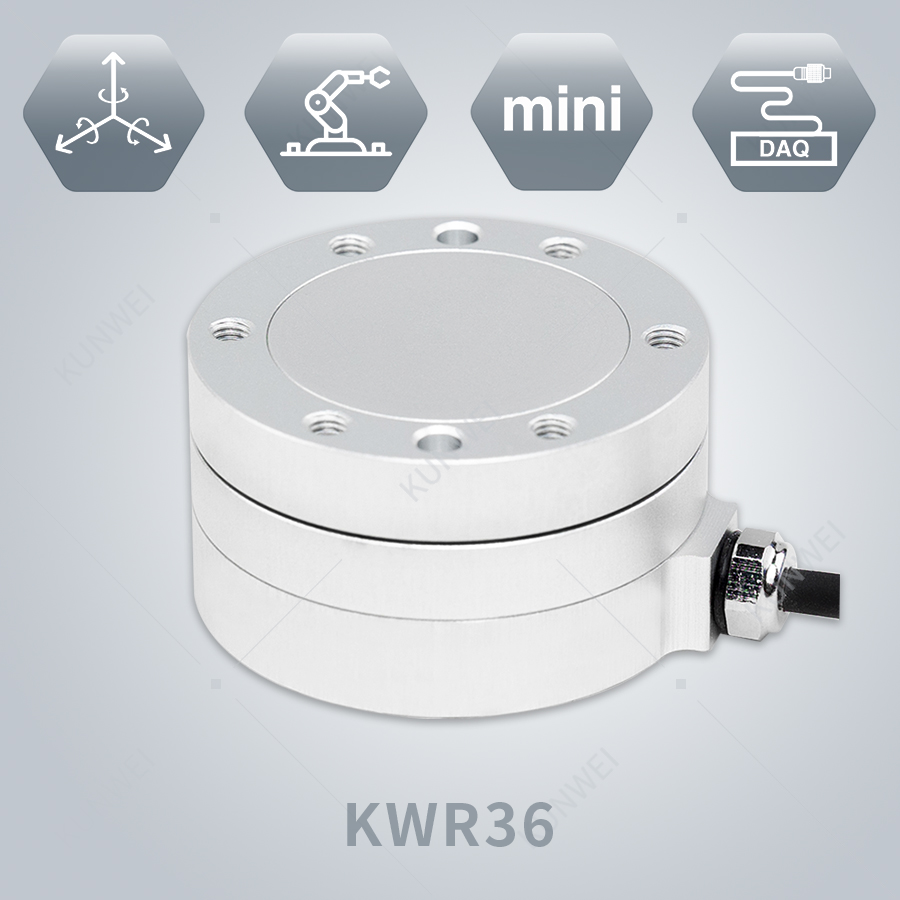
Force and torque are multidimensional phenomena, requiring sensors that can capture data along multiple axes. Standard sensors are limited in their ability to provide comprehensive readings. This is where high-quality six-axis hex force torque sensors shine. With their multi-axis capability, they can capture complex force interactions that standard sensors might overlook. This advantage is particularly crucial in industries demanding intricate force analysis, such as robotics and aerospace.
Robust Construction and Durability: Reliability in Harsh Environments
In industrial settings, sensors must withstand challenging conditions. Robust construction and durability are key attributes that define high-quality six-axis hex force torque sensors. These sensors are engineered with materials that resist wear, corrosion, and mechanical stress, ensuring reliable performance even in demanding environments. This durability translates to minimized downtime, reduced maintenance costs, and increased operational efficiency.
Advanced Strain Gauge Technology: Enhancing Sensitivity
At the heart of any force torque sensor lies its strain gauge technology. High-quality six-axis hex force torque sensors incorporate advanced strain gauges that offer exceptional sensitivity and responsiveness. This advanced technology enhances the sensor’s ability to detect subtle force variations with high precision. As a result, industries gain a deeper understanding of force dynamics, allowing for more informed decisions and optimized processes.
Integration and Compatibility: A Seamless Fit
Integration is crucial to extract the maximum value from force torque sensors. While standard sensors may require extensive adjustments and adaptations, high-quality six-axis hex force torque sensors are designed for seamless integration. Equipped with standardized communication interfaces, these sensors can be easily incorporated into existing systems. This user-friendly approach reduces setup time, minimizes errors, and enhances efficiency.
Signal Processing and Noise Reduction: Clean and Precise Data
Signal processing is a critical aspect of force torque sensors. Advanced signal processing algorithms integrated into high-quality sensors filter out noise and interference, ensuring clean and precise force and torque data. This feature is especially important in environments with high levels of electromagnetic interference or vibrations. High-quality sensors provide consistent, reliable measurements even in challenging conditions.
Application Versatility: Catering to Diverse Needs
Industries have diverse force and torque measurement requirements, ranging from manufacturing and robotics to aerospace and healthcare. High-quality six-axis hex force torque sensors excel in adapting to various applications, offering flexibility that standard options may lack. Their versatility stems from a deep understanding of industry needs and a commitment to providing solutions that cater to a wide spectrum of use cases.
Calibration and Maintenance: Sustaining Accuracy
Sustaining accuracy over time requires regular calibration and maintenance. While both standard and high-quality sensors need calibration, the stability and reliability of calibration are often superior in high-quality options. These sensors tend to have longer calibration intervals and maintain accuracy more effectively, reducing the frequency of downtime and ensuring consistently reliable measurements.
Conclusion
In the world of force and torque measurement, not all sensors are created equal. The distinctive traits of high-quality six-axis hex force torque sensors set them apart from standard options. Their precision, multi-axis capability, robust construction, advanced strain gauge technology, seamless integration, signal processing prowess, application versatility, and sustained accuracy through calibration make them a compelling choice. Investing in high-quality sensors translates to more precise, reliable, and valuable data, ultimately leading to enhanced performance, optimized processes, and informed decision-making in a wide range of industries.
<
p style=”margin: 0 auto 10px;text-align: center;border-bottom: 1px solid #dedede;padding-bottom: 10px;font-size: 20px;”>Related Products

.jpg)