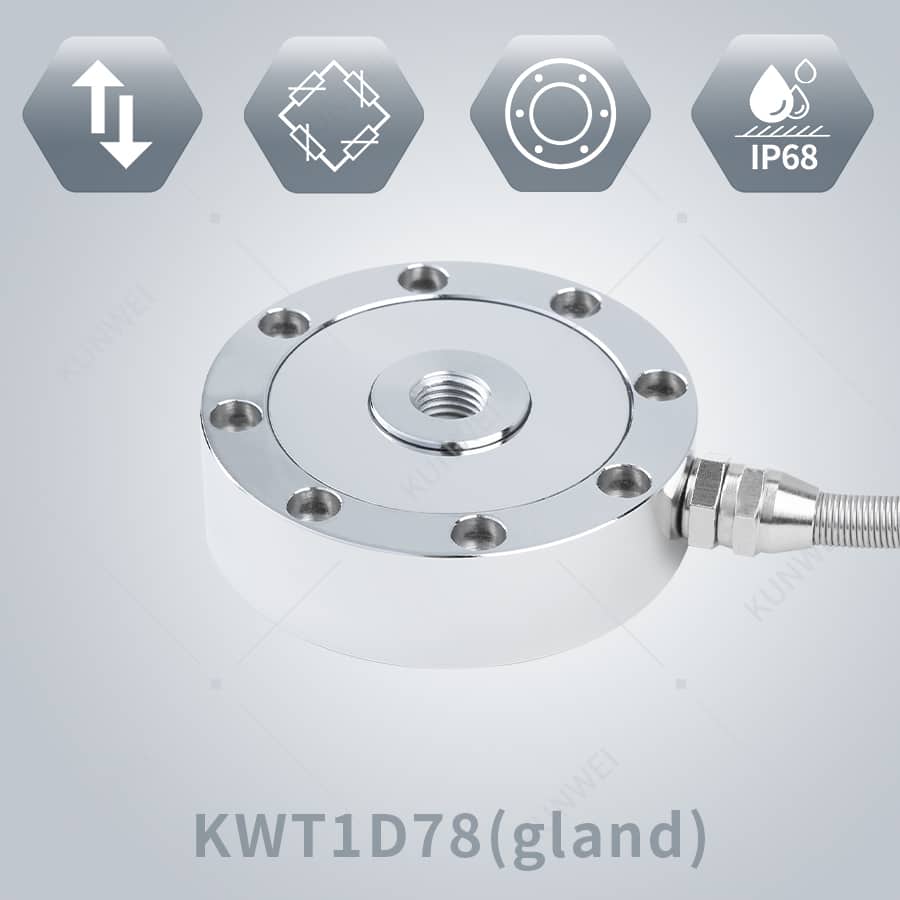
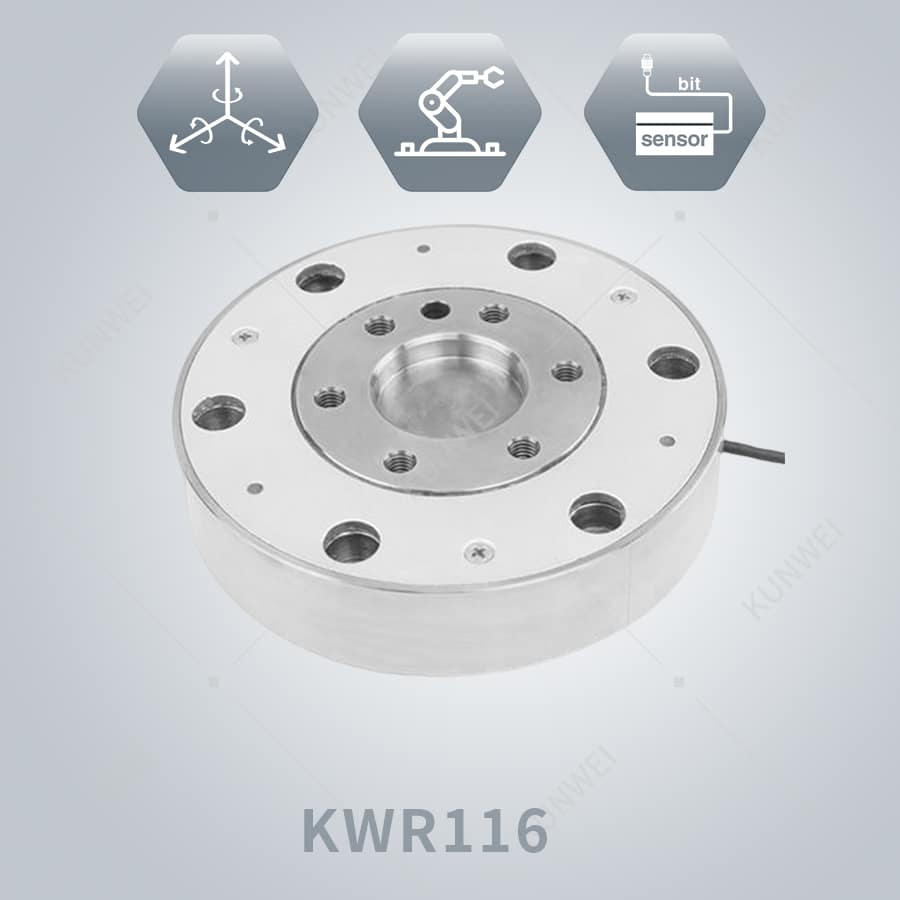
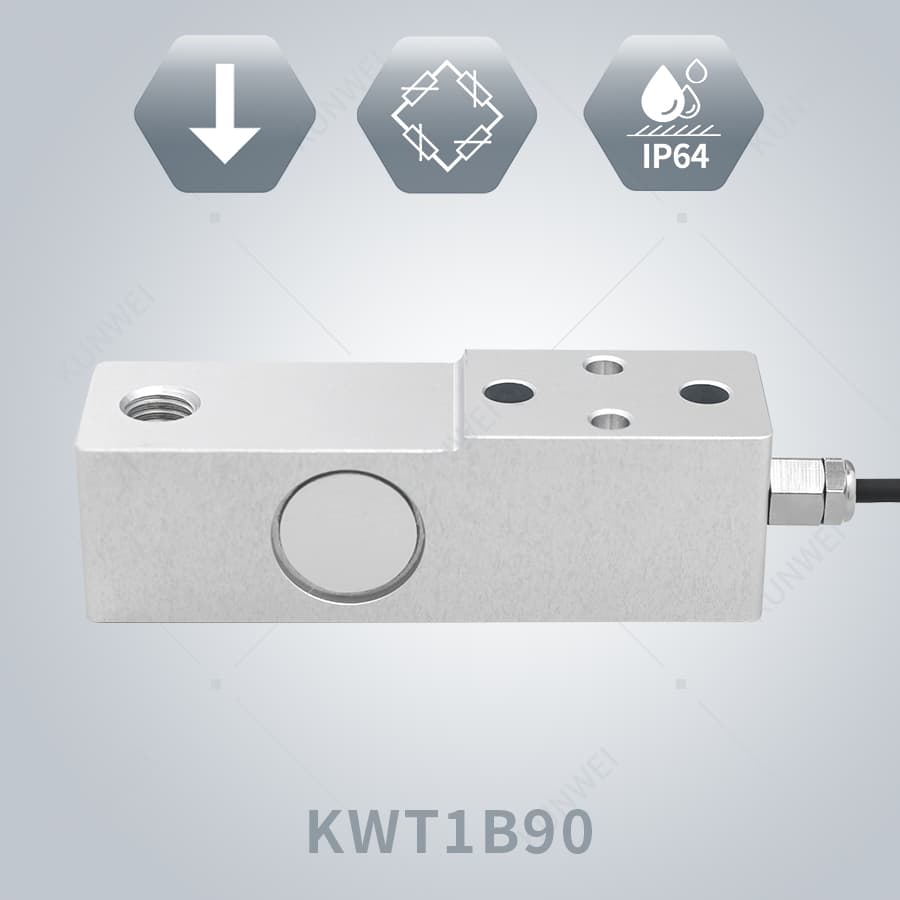
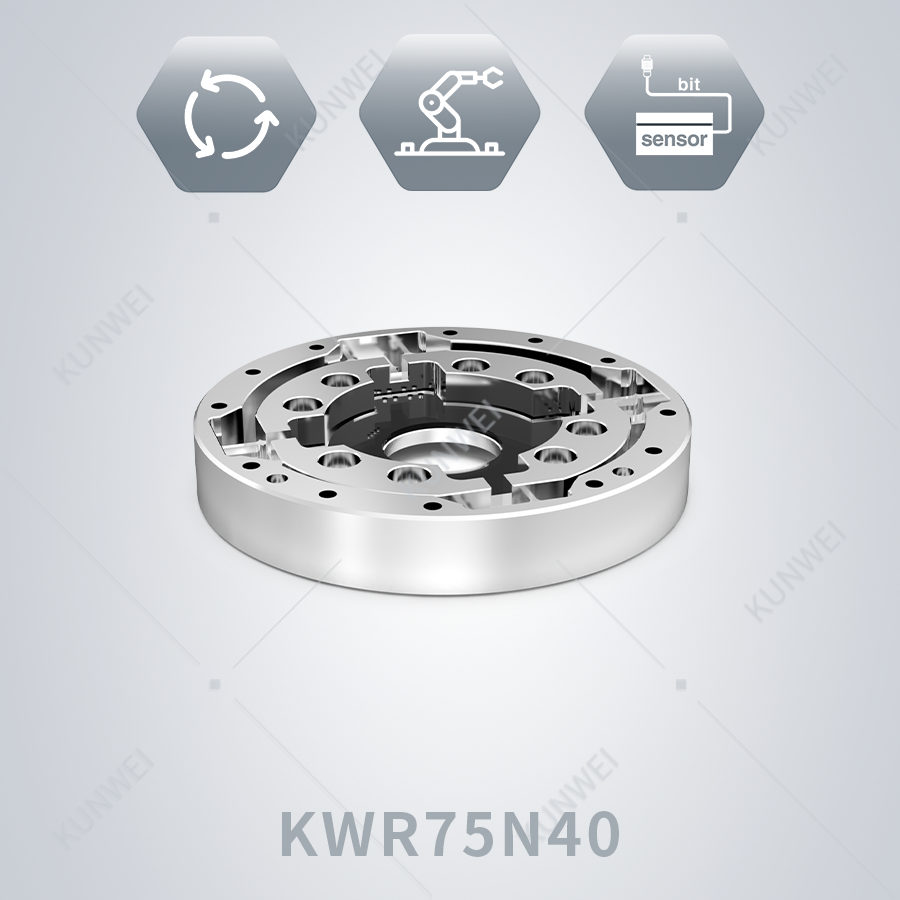
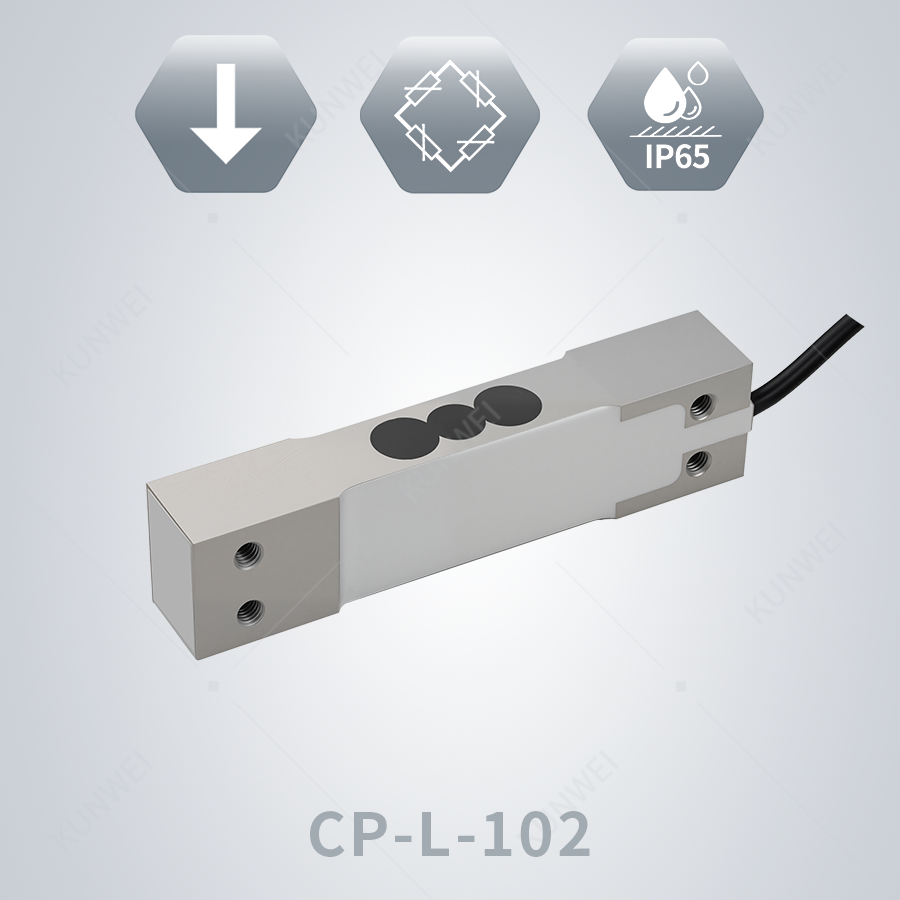
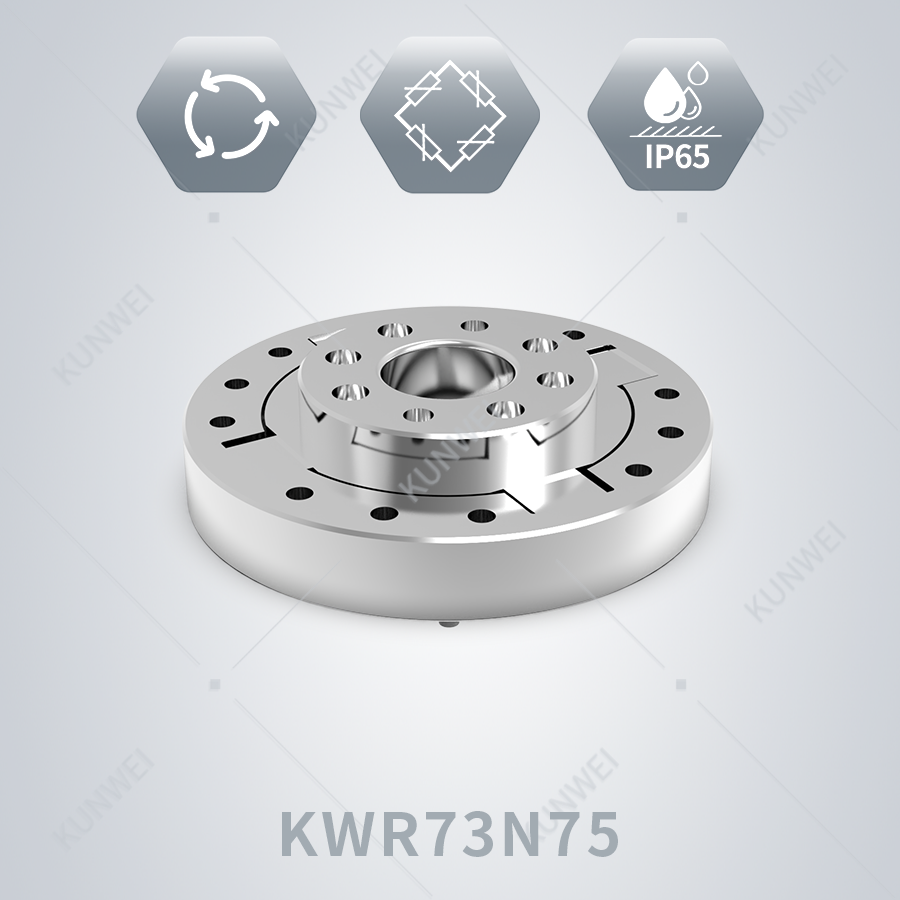
When machines interact with the physical world, they don’t just move—they also exert force, pull, twist, and resist. Every interaction of these involves force and torque, and understanding them is what differentiates automated systems from intelligent ones. This is where multi-axis force sensors participate.
A multi-axis force sensor that is both a measuring device and a controller is not simply a calculator. It’s a link between the mechanical world and digital computers. It converts invisible physical forces and moments into electrical signals that can be interpreted and responded to immediately. Without this ability, modern robotics, manufacturing precision instruments, and advanced biomechanics would be functioning almost automatically.
To understand the mechanism behind a multi-axis force sensor that is designed to measure torques, it is necessary to transcend the surface-level definitions and explore the principles that underlie its design, construction, processing, calibration, and integration in the real world. This article does this exact thing: it grounds the theory of practical engineering in the real world while also taking inspiration from the industrial-grade implementations that Changzhou Kunwei Technology Co., Ltd. has developed.
Force and torque in multiple dimensions
Before delving into the sensor itself, it’s important to clarify what “multi-axis” actually means.
Physically, force is considered a vector that has both magnitude and direction. Also, torque is a vector that represents a rotational effect around a particular axis. In 3D, a solid body can have forces in three different directions (X, Y, Z) and torques around these same vectors (Mx, My, Mz). Combining these six components results in a total of six degrees of freedom, often referred to as the six dimensions of freedom (6-DOF).
A multi-axis force sensor that measures all of these components simultaneously is designed. Unlike single-axis sensors that only measure the load in one direction, multi-axis sensors take the entire picture of the interactions between forces in real-world scenarios. This is of special significance in the field of robotics, as contact forces are uncommon or simple in this area.
Why single-axis sensing is not enough
In experimental research that is controlled, loads can be applied in a neat manner along a single axis. In actual industrial settings, this rarely occurs.
Think about a robotic arm that polishes a sloping metal surface. The end effector’s pressure against the surface (normal force), as well as its sliding across the surface (tangential force), causes the effector to experience twisting due to the friction and configuration. All of these forces and torques are simultaneously active. Measuring only one component would not provide sufficient information and would be potentially incorrect.
Multi-axis force sensors that measure torques address this issue by taking the total mechanical interaction into account. This facilitates the use of advanced control strategies, such as force-based motion, impedance-based control, and compliant manipulation, which are crucial to safe and accurate automation.
The core working principle: elastic deformation
At the core of every sensor for force is a simple but deceptive idea: the elasticity of deformation.
When a pressure or force is exerted on a solid object, the object will deform a bit. If the material is within its elastic range, the deformation is proportional to the applied force and will vanish when the force is removed. Several-axis sensors take advantage of this habitual behavior.
The sensor’s design is engineered to have a precisely designed elasticity–this is often called the elastic body or flexure. This design promotes the application of forces and torques to specific, designated locations. This results in a specific, measurable pattern of strain at these locations.
The difficulty is not in recognizing the deformation itself, but in recognizing it accurately, consistently, and separately for each axis.
Strain gauges: turning deformation into data.
To gauge the deformation, sensors that use multiple axes of force, such as the Torque sensor, rely on strain gauges. A strain gauge is a thin wire that changes its conductivity when pulled or pushed; it’s also called a stretch or compression sensor.
These instruments are bonded to the elastic body at specific locations that experience the greatest sensitivity to specific force or pressure components. When the elastic body is pressed, the strain gauges will also deform, which will change the resistance. This alteration of resistance is then converted into a voltage via a Wheatstone circuit that converts it.
In a multi-axis sensor that employs dozens of strain gauges, the strain gauges are organized in complex patterns. Each gauge contributes to the detection of a portion of the total load, and these gauges are combined to allow the sensor to differentiate forces and torques across multiple dimensions.
Decoupling forces and torques
One of the most technically demanding aspects of multi-axis force torque sensor design is decoupling.
In theory, a force along the X-axis should only affect the X-axis output. In reality, forces and torques interact mechanically. A load applied in one direction often induces strain in multiple parts of the elastic structure. Without proper design and calibration, this cross-talk would make measurements unreliable.
To address this, engineers use a combination of structural design and mathematical compensation:
-
The elastic body is shaped to produce distinct strain signatures for different load components
-
Strain gauges are placed symmetrically to enhance sensitivity and cancel unwanted effects
-
Signal processing algorithms use calibration matrices to mathematically separate coupled signals
This decoupling process is what allows a sensor to output clean, independent force and torque values for each axis.
The role of material selection
The choice of material has a significant impact on the performance of sensors. The elastic body must have the necessary strength to deal with the expected loads and overflows, but it must also be sensitive enough to produce a measurable strain.
High-powered steel alloys are frequently employed in industrial-quality force sensors. These substances have a consistent modulus of elasticity, a consistent resistance to fatigue, and a consistent behavior under pressure. For projects that involve environments with harsh chemicals, corrosion resistance and thermal stability are also of paramount concern.
For instance, robots that use industrial-grade elastic bodies as their primary form of measurement often combine this with protective coatings and sealed housings. This guarantees that the accuracy of the load cycle is maintained over thousands of cycles.
Signal conditioning and data processing
Raw signals from strain gauges are extremely small, often in the microvolt range. These signals must be amplified, filtered, and converted into digital data before they can be used by control systems.
Inside a multi-axis force torque sensor, signal conditioning electronics perform several key functions:
-
Amplifying low-level strain gauge signals
-
Filtering out electrical noise and vibration artifacts
-
Compensating for temperature effects
-
Converting analog signals into digital output
Advanced sensors integrate these electronics directly into the sensor body, reducing signal loss and improving reliability. Digital interfaces such as Ethernet, CAN, or RS485 allow seamless integration with robots, PLCs, and data acquisition systems.
Calibration: where theory meets reality
Calibration is the process of making a force sensor that is theoretically accurate into a practical measurement tool.
During calibration, external forces and torques are applied to the sensor in a controlled environment. The output signals are recorded and then used to create a matrix that maps raw signals to physical values associated with loads.
This procedure must be conducted with extreme caution. High-precision equipment for calibration, such as machines that weigh objects and compare them to a set of weights, is necessary to ensure accuracy. Each axis must be evaluated individually and in combination with other axes to consider cross-axis interactions.
In professional manufacturing environments that are professional, every sensor is individually tuned. This guarantees that the data delivered to consumers is relevant to real-world performance, not just the specifications listed on the label.
Overload protection and durability
In practice, sensors are often overwhelmed by the pressure they are placed under. This can occur during accidents, emergency stops, or accidental encounters.
To circumvent this, multi-axis force sensors are built with an overload protection mechanism. Mechanical stops, additional elasticity, and material choice that is conservative allow sensors to withstand overloading without permanent harm. For instance, some robots utilize sensors of torques that are designed to withstand overloads of up to 200% of their maximum capacity.
Protection against intrusion is another important factor. Industrial sensors are frequently beset by dust, oil, moisture, and temperature changes. A rating like IP65 that describes the protection of the device from corrosion and other hazards ensures its reliability in adverse environments.
How robot torque sensors fit into robotic systems
Robot torque sensors are a specialized form of multi-axis force torque sensors, optimized for integration into robotic joints or end effectors.
By measuring forces and torques directly at the joint or tool interface, these sensors provide real-time feedback that enhances control precision and safety. This is especially important for collaborative robots, where direct human–robot interaction requires continuous force monitoring.
Robot torque sensors enable advanced functions such as:
-
Force-controlled assembly
-
Surface following and polishing
-
Collision detection and response
-
Adaptive gripping and manipulation
By providing accurate torque data at the joint level, these sensors allow robots to “feel” their environment rather than simply follow preprogrammed paths.
Case perspective: industrial-grade robot torque sensing
In practical applications, robots withtorque sensors must have a high degree of accuracy, long life, and ease of integration. Engineering teams create these instruments based on the common conditions that robotic teams typically operate in, using simulation tools to assess the distribution of stress, the sensitivity of the instruments, and their lifespan.
Precision machining promotes precise installation requirements that are crucial to the accurate transmission of torques. Heat treatments increase the strength and stability of materials, while advanced electronic assembly methods ensure the reliability of the strain gauge and the quality of the signal.
The outcome is a sensor that provides consistent, long-lasting measurements in industrial and commercial robotic applications.
Beyond robotics: broader applications
Other instruments that measure force andtorque in multiple dimensions are not confined to robots. Their capacity to comprehend complex interactions of force makes them beneficial in many disciplines.
In biomechanics, force plates are used that measure the ground’s reaction forces in three dimensions, which enables the analysis of movement, rehabilitation, and sports science. Portable multi-axis force plates facilitate high-precision measurements in environments that are not traditional for a laboratory.
In manufacturing, force sensors observe the actions of pressing, fastening, and forming. This ensures the consistent quality of the product and prevents the tool or component from being damaged.
In automaton systems that use electric cylinders that are force-controlled, and devices that use air pressure to achieve motion that is repeatable and smooth.
Integration with force control systems
A sensor alone cannot instill knowledge. It must be part of a system that can interpret and act on the information.
Modern force control systems have sensors, actuators, and control methods that are all integrated into one solution. Instruments intended for force and torque measurement reduce the complexity of integrating the system by providing a standardized interface, user-friendly software, and robust communication protocols that are robust.
This integration facilitates the focus of engineers on the application of logic instead of the low-level handling of signals, which increases the speed of delivery and improves the reliability of the system.
The human factor: why accuracy matters
Every sensor’s specifications are followed by a real-world impact. In precision assembly, a small amount of extra pressure can adversely affect components. In robotic collaboration, the inaccurate measurement of torque can lead to safety concerns. In biomechanics, measurement errors can cause false conclusions.
Because of their multi-axis force measurement capabilities, these sensors are important in reducing ambiguity. They give machines the impression of touch that resembles the human perception of it, but is more exact and consistent.
The future of multi-axis force torque sensing
As automation becomes more complex, the demand for precise force and torque measurement will increase further. Trends like intelligent manufacturing, human-robot interaction, and digital twins all require high-quality physical information.
Future sensors will have a smaller size, more integrated circuits, and a more intelligent design. Advances in materials, microelectronics, and data processing will augment the sensitivity and stability of the system. However, the discipline of manufacturing and the rigor of calibration will still be important, because precision is primarily derived from the process itself.
So, how does a multi-axis force sensor that measures torques work? It functions by combining mechanical principles, material science, electrical engineering, and precise balancing into a single, compact device that converts physical interaction into digital comprehension.
From automatic joints and industrial automation to biomechanics and force control systems, these sensors are the foundation of modern intelligent machines. They aren’t simply measuring force and torque. They facilitate machines’ interaction with the world while still allowing for control, response, and humanlike behavior.
In this regard, multi-axis force sensors that are torqued multiple times are not just devices. They facilitate the next step in the evolution of precision, safety, and intelligence in engineered systems.