
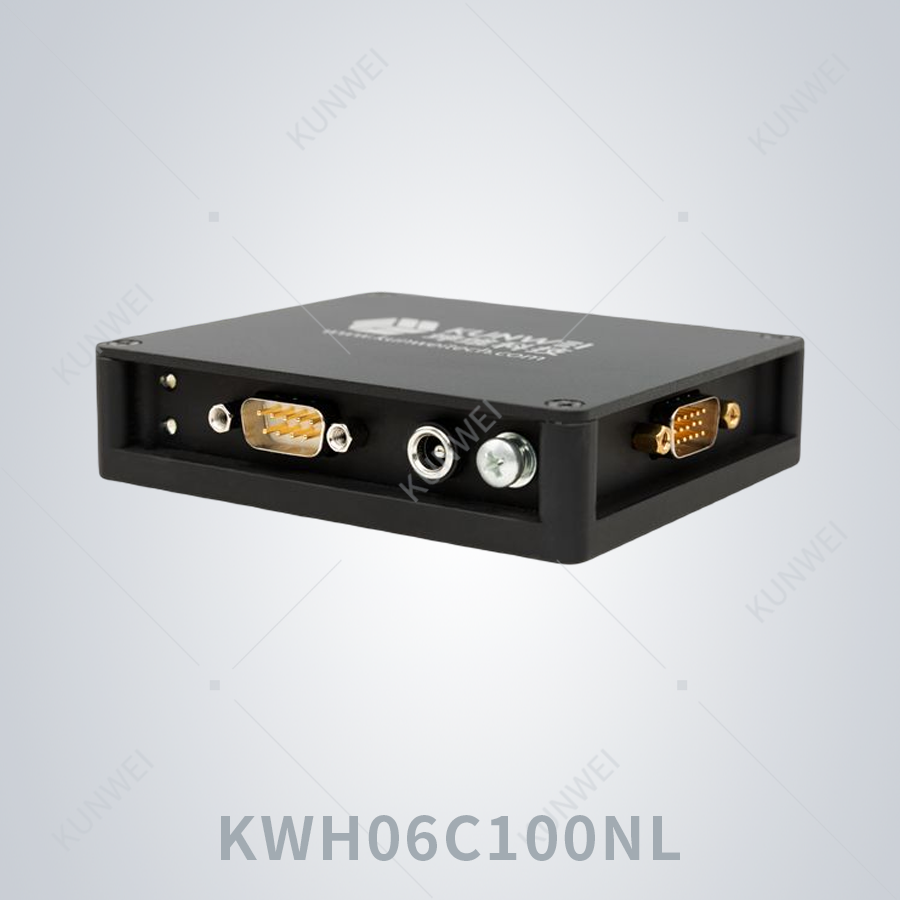
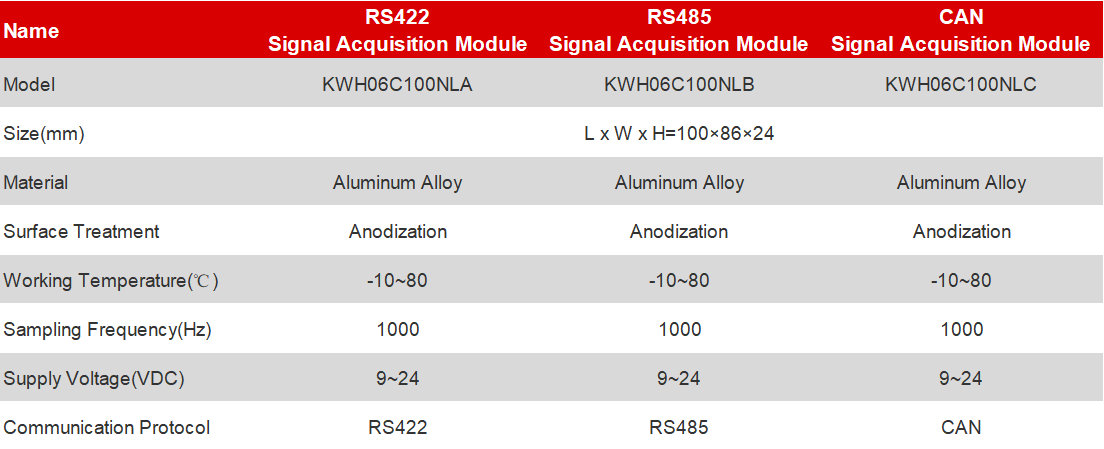
RS422 RS485 CAN Signal Acquisition Module
Description

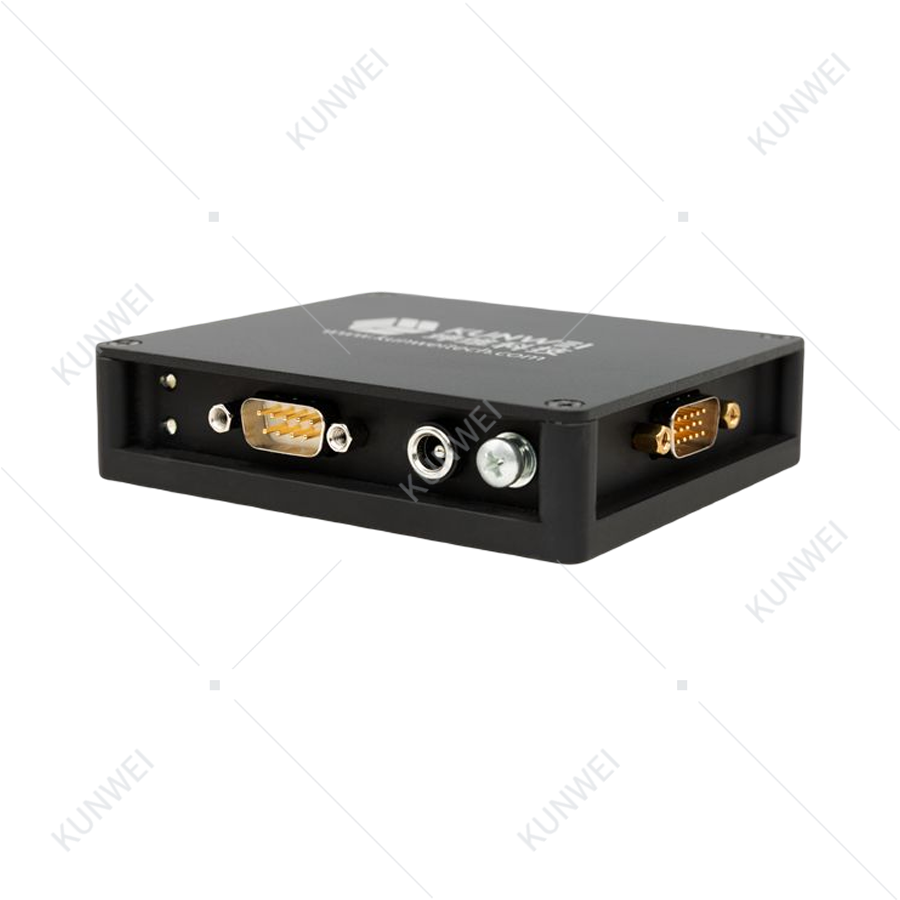
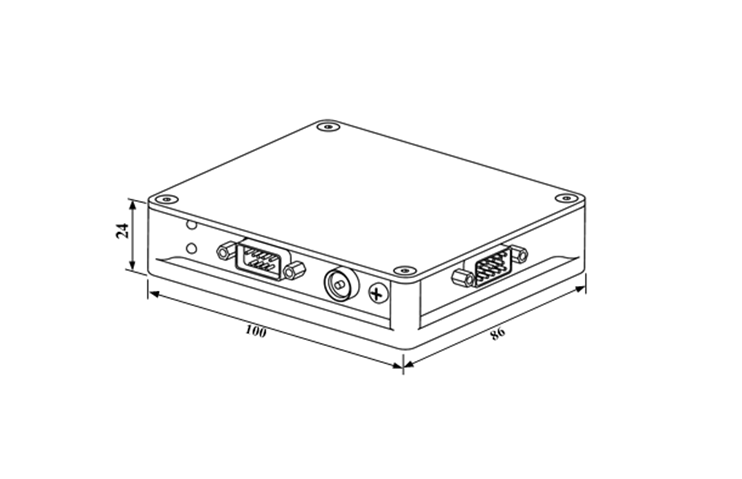
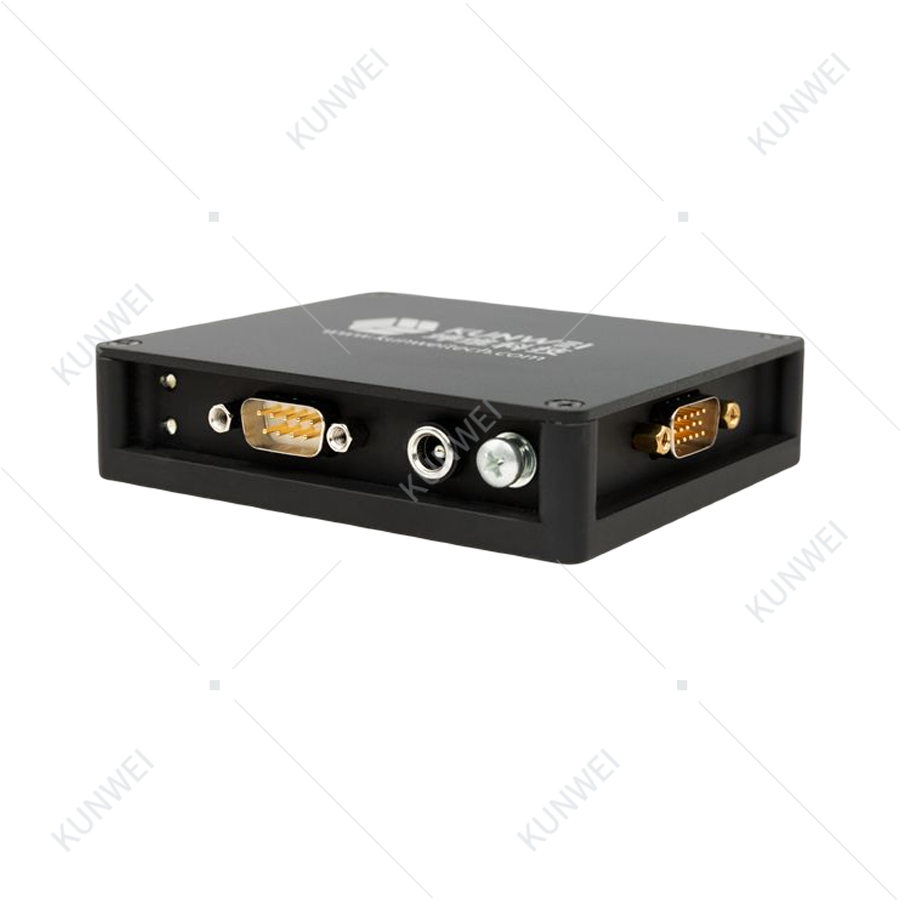
Communication interface:
Input : Millivolt analog signal, HDB15 interface, connected by sensor
Output: Digital signal, DB9 interface, with ground screw
Sensors can be matched:
All six-axis force transducer with millivolt analog signal output
Why we need a good signal acquisition module ?
Digital Signal Acquisition Modules are crucial components in industrial applications that require the measurement of force, vibration, or motion. These devices help in acquiring accurate data of machine processes that can be analyzed to improve efficiency, safety, and productivity. In the case of a six-axis force transducer, a signal collector is necessary to convert its millivolt-level analog signals into digital data that can be received and processed by a supervisory system.
The primary advantage of a signal collector is its ability to collect data from multiple sensors simultaneously, providing an accurate representation of a machine’s behavior. The six-axis force transducer generates six simultaneous analog signals that need to be processed and converted to digital data. A signal collector can easily combine the multiple signals into a single digital stream, simplifying the data acquisition process.
Another advantage of using a signal collector is the reliability and accuracy it provides. Signal collectors are designed to preserve the fidelity of the analog signals, ensuring that no data is lost or distorted during the conversion process. This is critical in industrial applications where even small variations in data can lead to costly errors or potential safety hazards.
Data Acquisition Interface Box can also offer superior noise reduction capabilities, which is essential for accurate data acquisition. In industrial settings, machines often generate electrical noise or electromagnetic interference (EMI), which can interfere with analog signals. A signal collector can filter and remove these unwanted signals, producing clean and accurate digital data.
In addition, Data Acquisition Interface Box can transmit data wirelessly, eliminating the need for cables and wires. This is particularly beneficial in applications where cables are impractical or impossible to use, such as in remote locations or moving machines. Wireless transmission also offers greater flexibility in data collection and allows for real-time monitoring of machine processes.
Finally, employing a signal collector can improve the overall efficiency and productivity of an industrial application. By providing accurate and reliable data, machine processes can be optimized, reducing downtime, improving quality, and increasing output.
In conclusion, signal collectors are crucial components in industrial applications that require accurate and reliable data acquisition. The ability to collect, convert, and transmit millivolt-level analog signals from six-axis force transducers into digital data is critical in understanding machine behavior and optimizing processes. The benefits of using a signal collector include their ability to collect data from multiple sensors, their reliability and accuracy, superior noise reduction, wireless transmission capabilities, and improved efficiency and productivity.
 |
 |
 |
Model of KWH06C100NL

.jpg)
.jpg)
.jpg)
.jpg)